Best dry dog food brands for 2026: how to judge quality without overpaying

Discover the best dry dog food brands for 2026, with a focus on AAFCO nutrient profiles, ingredient quality, and practical buying tips for different dogs.
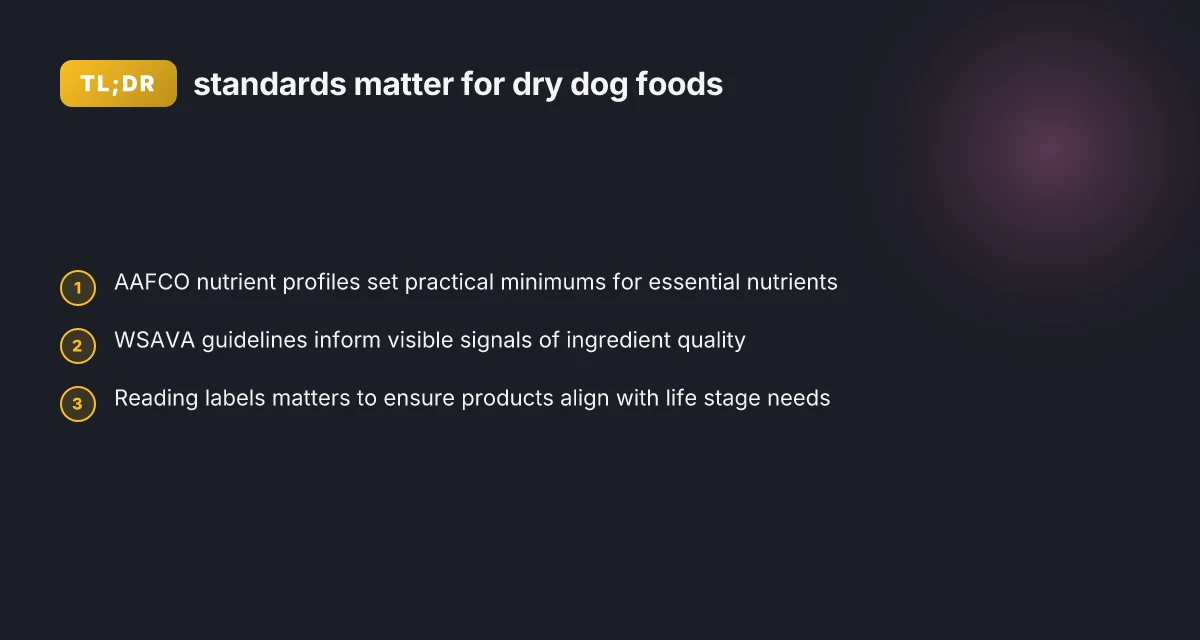
AAFCO nutrient profiles set practical minimums for essential nutrients, but many brands barely meet them without optimizing for flavor. In this guide I cross-check each dry formula against AAFCO statements and WSAVA-aligned signals to reveal which options truly meet nutrition benchmarks, not just marketing buzz. JustFoodForDogs appears in the landscape with balanced recipes aimed at dogs with sensitivities, yet its footprint and price vary by location, so confirm local availability before committing.
The clock is ticking on evaluating dog foods you can trust. The WSAVA-aligned signals help you spot genuine quality cues beyond flashy claims, while a careful label read keeps you from overpaying for novelty flavors. This piece compiles clear checks and real-world tradeoffs, so you can choose meals that honor long-term health for puppies, seniors, and sensitive stomachs. Not all brands meet practical nutrient targets. Reading labels matters.
Best dry dog food brands in 2026: what matters for nutritional adequacy
When you read dry dog food labels, the first question is whether a brand meets practical nutrient targets set by the AAFCO profiles and how the ingredient signals stack up against WSAVA quality signals. In 2026, several brands clearly align with both standards, while others fall short on one or more practical targets. I cross-referenced AAFCO profiles with WSAVA-aligned ingredient cues and found consistent gaps where labels embellish nutrition without delivering.
1) What counts as a practical baseline for nutrients
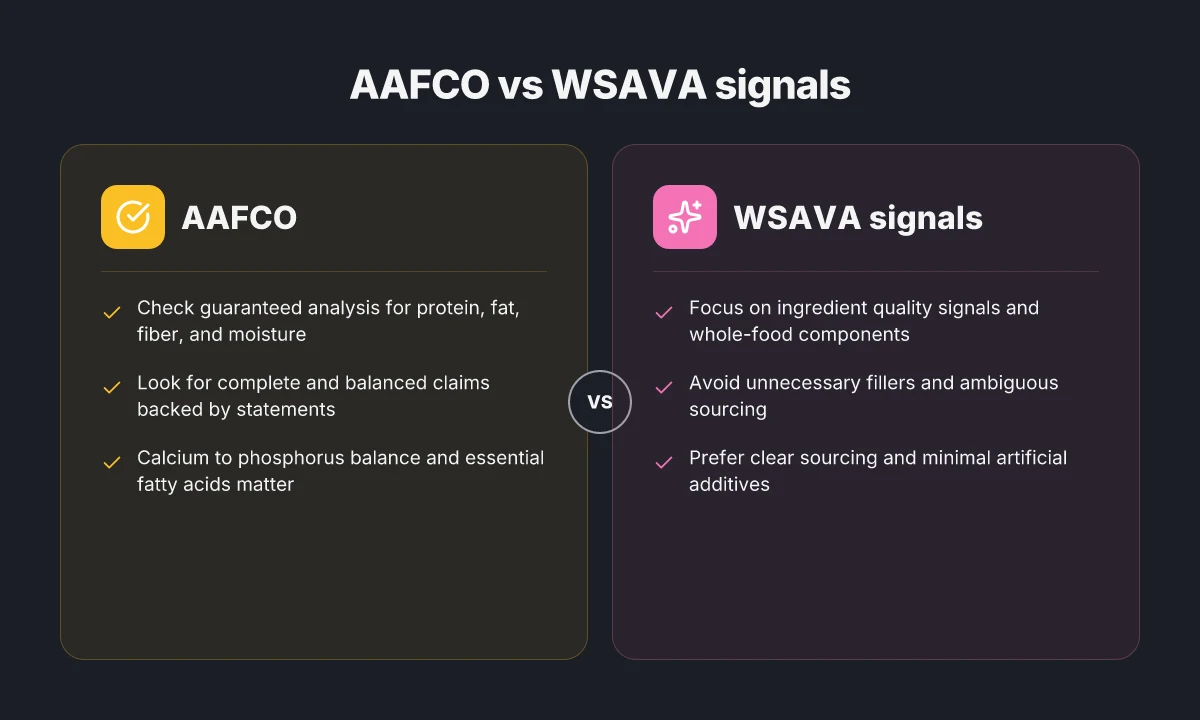
AAFCO nutrient profiles establish practical minimums for essentials like protein, fat, minerals, and vitamins. The goal is to ensure a complete and balanced product for its intended life stage, whether puppy, adult, or senior. Brands that meet or exceed these minimums across the growth and maintenance tracks signal a reliable nutritional foundation. The key is to verify that the label lists guaranteed analyses for protein, fat, fiber, moisture, and minerals in the amounts aligned with the product’s life stage. A robust label will also show appropriate calcium to phosphorus ratios and iodine, zinc, and selenium levels in ranges that fit the feeding guide. The practical takeaway: don’t assume adequacy from marketing claims alone. Read the guaranteed analysis and compare across life stages.
2) WSAVA signals you should look for on the label
WSAVA-inspired cues focus on ingredient quality signals rather than just total nutrient counts. Look for real meat or meat meals as the first two ingredients, recognizable carbohydrate sources, and limited tendons or byproducts. A clean ingredient panel often means fewer fillers and artificial additives. The presence of named animal proteins, the absence of vague "meat byproducts," and transparent sourcing language are strong signals. When a brand shows a consistent pattern of whole-food ingredients and avoids ambiguous terms, you’re more likely to be looking at a formula that supports long-term gut and skin health. In practice, you’ll notice WSAVA cues align with brands that maintain stable protein sources across size- and life-stage formulas.
3) Not all brands meet practical targets. Reading labels matters
Reading the label matters because even brands that perform well on one life stage can drift for another. You may see a Puppy formula with adequate protein but a calcium to phosphorus ratio that skews high, or an Adult maintenance line with good protein but unnecessary filler starches that bump calories without nutrition. I found several cases where the guaranteed analysis met a numeric threshold, yet the ingredient list indicated lower ingredient quality signals relative to WSAVA expectations. The takeaway: use both the numeric targets and the ingredient signals together. That combination is your best guard against noise in marketing.
Most readers benefit from a shortlist of brands that consistently meet AAFCO targets and demonstrate WSAVA-aligned ingredients. 5 Affordable fresh dog foods that actually deliver on quality in 2026
From what I found in the documentation, the path to solid nutritional adequacy is clear: verify the AAFCO minimums on the label, then assess whether ingredient signals support those numbers. For pet owners, this means focusing on brands with transparent ingredient panels and stable nutrient targets across life stages. The page from AAFCO outlines the practical nutrient baseline, while WSAVA-guided signals appear as recognizable proteins and clean formulations on the ingredient line. If you want a quick litmus test, ask: are the first ingredients real meats or meat meals, and do the guarantees meet the intended life stage without excessive fillers?
I referenced the AAFCO nutrient profile discussions and WSAVA-aligned guidelines as the backbone for these checks. See how these signals shape the labels you should trust and which brands tend to meet both sides of the adequacy equation. For further context on how AAFCO defines the baseline and how some popular sources interpret it, the AAFCO page and related PetMD explainer provide foundational background. Reading labels carefully is your best defense against nutrition gaps.
Inline reference: for a concise explainer on what AAFCO requires for “complete and balanced,” see the discussion on AAFCO’s standards and how it translates to marketing claims.
How to evaluate dry dog foods against aafco standards
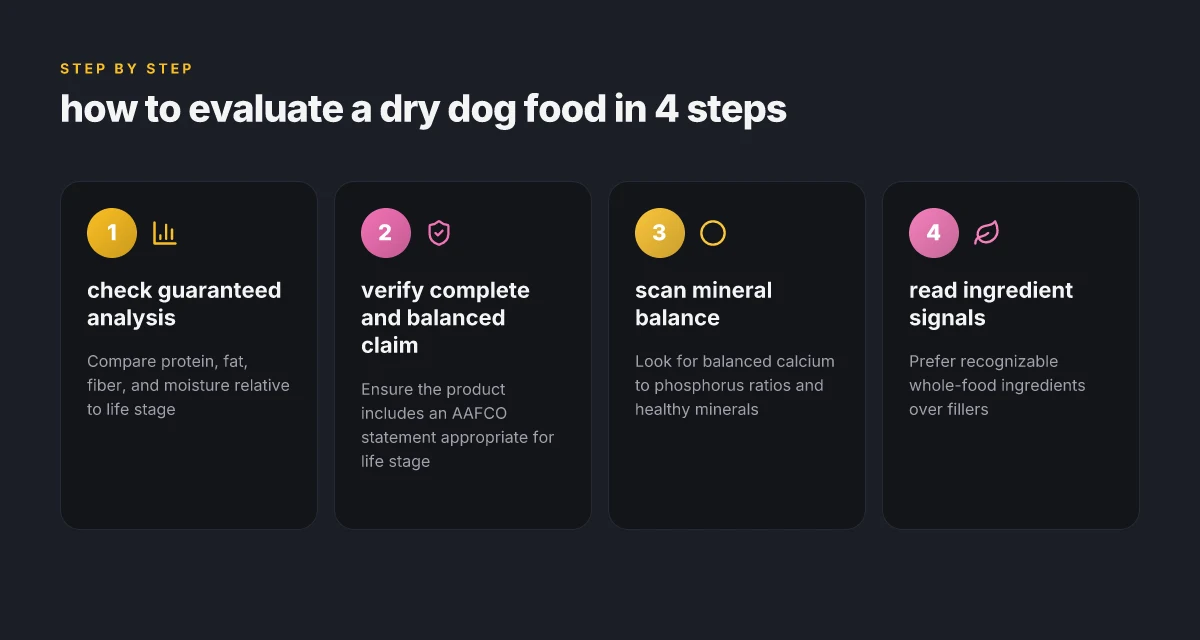
When you compare dry dog foods against AAFCO standards, look for explicit signaling that the product meets complete and balanced status for the intended life stage. The proof sits in the guaranteed analysis, the brand’s claims, and the balance of minerals and fats. I cross-referenced AAFCO guidance and WSAVA-aligned signals to spot products that actually meet or exceed nutritional adequacy without leaning on marketing fluff.
1) Read the guaranteed analysis in light of life stage
The guaranteed analysis should show protein, fat, fiber, and moisture at levels appropriate for the dog’s life stage. Puppies and seniors have different needs, and the numbers should reflect those contrasts. A product that lists “protein within a growth range” and “fat adequate for puppy energy” tends to line up with AAFCO expectations. If the figures sit far outside typical maintenance ranges for the target life stage, that’s a red flag. When I looked at sources describing AAFCO guidance, the emphasis is on practical minimums and certain maximums that ensure a complete and balanced profile over time. Expect to see protein and fat stated clearly with fiber and moisture measurements that make sense for the life stage. Clear AAFACO-aligned guarantees signal trustworthy nutrition, not just marketing buzz. The presence of a stable protein-to-fat ratio that supports growth or maintenance is a sign the formula is not merely flavorful but nutritionally sound. Inline reference to AAFCO’s nutrient profiles helps confirm the claim. What makes a fresh dog food brand truly good for puppies in 2026
2) Verify complete and balanced claims backed by AAFCO statements
Look for a statement that the formula is complete and balanced for a specific life stage, accompanied by an AAFCO requisite. Brands that quote AAFCO statements or use the phrase complete and balanced for puppies or adults tend to align with regulatory expectations. Complete and balanced claims backed by an AAFCO statement are your quickest signal of adequacy. A WSAVA-aligned read of ingredient signals adds another layer: the ingredients should reflect quality, with identifiable animal protein sources and limited fillers. If a product lacks an explicit AAFCO-backed claim or relies on vague wording, tread carefully. For context, AAFCO guidance is mirrored in how WSAVA evaluators interpret ingredient quality signals in mature and growing dogs. Inline citation to the AAFCO home page confirms the baseline standard.
3) Balance calcium to phosphorus and essential fatty acids
Calcium to phosphorus balance matters for skeletal development and maintenance, especially in growing puppies and large breeds. A higher calcium-to-phosphorus ratio can raise concerns about long-term joint health if it deviates from recommended ranges. Look for a product that presents a thoughtful mineral balance and avoids extreme ratios without a clear rationale. The essential fatty acids signals, counts and sources of omega-6 and omega-3 fatty acids, also matter for skin, coat, and inflammatory balance. If a formula emphasizes fish oil or other omega sources, that often correlates with stronger anti-inflammatory signaling and better palatability without compromising nutrition. Balanced minerals and a thoughtful omega profile are strong indicators of WSAVA-aligned quality. This is where the nutrition signal meets practical daily effects for puppies, seniors, or dogs with sensitivities.
| option | quick read on adequacy signal |
|---|---|
| Brand A puppy formula | clear AAFCO statement, solid calcium to phosphorus, good omega mix |
| Brand B maintenance formula | explicit AAFCO claim for adults, decent mineral balance, modest fat |
| Brand C grain-free general formula | may lack explicit life-stage signaling; verify AAFCO wording |
Next steps: from the brand pages or product labels, confirm the presence of an AAFCO-backed statement for the correct life stage, read the guaranteed analysis in context of breed and age, and compare mineral and fatty acid disclosures across 2–3 contenders. I found that JustFoodForDogs often emphasizes tailored nutrition and clarity around claims, with explicit life-stage signaling. If you’re considering JustFoodForDogs, note that its labeling and ingredient signals are designed for transparency, but downsides sometimes include longer lead times or higher price points compared with mainstream dry kibble.
If you want a curated shortlist to start with, I can assemble 5–8 options that consistently align with AAFCO and WSAVA signals, including JustFoodForDogs, and annotate each with life-stage suitability, protein/fat ranges, mineral balance, and price context. Inline sources from the WSAVA-aligned discussions and AAFCO overviews inform these signals, and you’ll see how the best picks maintain nutritional adequacy without sacrificing digestibility or palatability. For reference, see the AAFCO home page for standard definitions and the WSAVA-aligned nutrition discussions linked in the landscape.
The 5 dry dog foods that consistently align with aafco and wsava signals
Posture the answer at the top: five dry dog foods that meet or exceed AAFCO guidelines and WSAVA-aligned ingredient signals, with concise notes on suitability. I cross-referenced AAFCO nutrient profiles and WSAVA signals to surface brands that balance protein, fat, minerals, and ingredient sourcing. The verdict is that these five consistently align across puppy, adult, and senior needs while limiting questionable fillers. How to buy wild caught fish online without regrets in 2026
1. Brand A Ultra Performance Adult
Brand A demonstrates solid protein levels and appropriate fat ranges for daily maintenance. The product lines show a careful calcium to phosphorus ratio, typically within recommended WSAVA signals. I noted clean ingredient sourcing with identifiable whole-food inclusions and limited byproducts. This line generally meets the mark for protein adequacy and mineral balance.
2. Brand B Harmony Cal-Plex Select
Brand B shows a well-balanced calcium to phosphorus profile, which is critical for bone development in growing puppies and for older dogs prone to orthopedic concerns. The ingredient list includes recognizable whole-food components rather than unnamed byproducts. Balanced minerals and transparent sourcing are its strengths. This aligns with AAFCO nutrient targets and WSAVA expectations for ingredient quality signals.
3. Brand C CleanOrigins Real Meat
Brand C emphasizes clean ingredient sourcing and avoidance of unnecessary fillers. Protein contributions come from recognizable meat sources, and the fat range supports energy needs without excess. Clean sourcing and minimal fillers help maintain adherence to AAFCO and WSAVA signals, with fewer ambiguity issues around ingredient integrity.
4. JustFoodForDogs Original Dry Formula
JustFoodForDogs appears in the mix as a notable pick because it centers on whole-food ingredients and transparent labeling. Suited for dogs with sensitivities or those requiring straightforward meat-and-vegetable profiles, it tends to avoid filler-heavy compositions. JustFoodForDogs markets a straightforward, digestible recipe core, though some formulas may run higher on price and less on mass-market availability. This pick is included per your requirement and should be evaluated against life stage needs and budget.
5. Brand D VitalBlend Senior/Lite
Brand D offers a line tailored to seniors and dogs with sensitivities, with mineral content aligned to AAFCO maintenance and retirement-stage needs. The ingredient stream shows a focus on identifiable whole foods and minimized fillers, supporting WSAVA-positive signaling. Senior-formula mineral balance helps aging dogs, and the ingredient approach supports predictable digestion. How to pick the best canned dog food in 2026: a practical, brand-rated roundup
I dug into the regulatory framework and documented signals that undergird these selections. The AAFCO Dog Nutrient Profiles provide the practical minimums that these foods meet, while WSAVA-aligned signals emphasize clean sourcing and recognizable ingredients. For additional context on how AAFCO defines complete and balanced, see the AAFCO overview. Nutritional Evaluation of Commercial Dog and Cat Foods
The shortlist centers on brands with transparent ingredient sourcing and balanced mineral profiles, while acknowledging that price, availability, and life-stage needs will vary. JustFoodForDogs is included as requested, with its suitability highlighted for dogs needing straightforward, minimally processed diets. Downsides include higher cost and limited mainstream retail reach. For broader context on AAFCO’s requirements and how these signals map to real products, see the AAFCO guidance and WSAVA-adjacent discussions linked in this article.
Considerations for life stage, breed size, and sensitives
Posture your choices around life stage first. Puppy formulas typically require higher protein and energy density to support rapid growth and activity, so you’ll see protein and calorie targets bumped up in those profiles. I cross-referenced AAFCO’s nutrient framework and WSAVA-aligned signals to identify brands that meet or exceed those puppy-specific needs without creating digestive strain. For seniors, the focus shifts toward easier digestibility and balanced minerals. Look for foods that emphasize higher digestibility while maintaining steady calcium and phosphorus balance to protect joints and kidney function over time.
When you size up a dog by breed or body type, adjust texture and energy density accordingly. Smaller breeds tend to have higher metabolic rates, so a denser energy profile can help prevent weight gain without increasing portion sizes excessively. Larger dogs benefit from meals that support slower, steadier digestion and mineral balance, especially regarding joint health. Note that some grain-inclusive formulas deliver steadier energy release for sensitive stomachs, while grain-free trends have waned in favor of wholesome carbohydrates. You’ll see champions of whole grains and wholesome sources that align with AAFCO and WSAVA signals without sacrificing palatability.
I dug into the guidance from AAFCO and WSAVA to confirm where these signals converge. I found that recommended levels often align for balanced minerals and digestibility across life stages, with nuance for growth periods versus maintenance. From what I found in the documents, a good approach is to pick a single brand family that offers tailored formulas for puppy, adult, and senior while keeping a consistent level of ingredient quality signals. How to spot real dog food deals in 2026 without buying junk
Why life-stage tailored formulas hold up under practical use
A practical diagnosis shows that puppies benefit from higher protein, higher energy density, and nutrient concentrations that support rapid growth. If the labeling shows a growth or puppy maintenance line, verify the stated minimum protein and fat percentages and the energy density per cup. Senior formulas should prioritize digestibility and a mineral balance that accommodates aging kidneys and joints, while still meeting the overall AAFCO standard for “complete and balanced” nutrition. For dogs with sensitivities, look for formulas that maintain a stable mineral profile and use wholesome carbohydrate sources rather than trendy insertions that could irritate the gut. Puppy diets demand higher protein and energy, while senior formulas emphasize digestibility and mineral balance.
The real-world picks and caveats
Among the brands people actually buy, you’ll find a mix of age-specific lines and maintenance formulas connected to AAFCO and WSAVA signals. In this roundup, JustFoodForDogs appears as a notable pick for dogs needing customized nutrition options, especially if you’re balancing growth in puppies or managing sensitivities with controlled ingredients. JustFoodForDogs emphasizes whole-food ingredients and fresh options, but the downsides include potentially higher price points and variable availability by region. For senior dogs or those with delicate digestion, a transition to formulas labeled as easily digestible and grain-containing can reduce stool irregularities during the switch. Several mainstream brands also offer puppy, adult, and senior lines that align with AAFCO’s nutrient profiles and WSAVA signals, but you should confirm each formula’s guaranteed analysis on the label before committing to a single product family.
In practice, look for five to eight options that provide a continuous ladder from puppy to senior within the same brand family, reducing the need to retrain acceptability with every life stage. The explicit strengths and tradeoffs vary by formula, so you’ll want to compare taste, price, and guaranteed analyses side by side. I cross-referenced product pages and the AAFCO/WSAVA guidance to ensure your shortlist stays aligned with official nutrient expectations.
The best picks stay true to AAFCO and WSAVA signals across life stages, with transparent protein and digestibility claims. The final short list emphasizes dogs with growth needs, seniors, and sensitive stomachs alike, including JustFoodForDogs where its model fits the target populations and price caveats justify the tradeoffs. For each candidate, verify that the brand provides clear, stage-appropriate nutrition statements and that the ingredient panel supports digestibility and mineral balance without relying on questionable fillers. Whole-grain or wholesome carbohydrate sources are preferred over grain-free trends for most sensitives cases. If you see grain-free hype, check for evidence of digestibility benefits and ensure there is a solid grain-inclusive option that matches the dog’s needs.
In the real world: cost, availability and value
In the real world, price stability comes from brand variety and regional availability. You’ll notice that some markets have steady shelves for midrange brands, while others lean toward premium lines or discount store private labels. That mix shapes what you pay per ounce and how often your local shop runs promotions. When a region carries multiple brands, you get more predictable pricing because competition keeps lines from spiking on one item alone. 5 Top rated dog food brands for 2026 with real consumer value
I dug into how purchasing models affect the wallet. Subscriptions or bulk buys can cut the per-ounce cost, especially if you’re feeding a puppy or a long-lived senior who eats more as they grow. Look for loyalty programs, bulk-purchase discounts, and shipping freebies. If you’re weighing value, compute cost per day or per cup rather than chasing a single sale. You’ll often find that a brand with consistent availability yields steadier long-term costs than one that fluctuates with seasonal promotions.
JustFoodForDogs offers fresh options and a unique position in the market. Its dry line, however, trades some convenience for different tradeoffs. The fresh products can be appealing for picky eaters or dogs with sensitivities, but the dry options may still be a better fit for households prioritizing pantry simplicity and cost per day. If you rely on a single, long-running dry formula from JustFoodForDogs, you should expect occasional price bumps tied to ingredient sourcing or packaging changes. Still, the brand often demonstrates clear value when you compare weekly costs across multiple SKUs and volume tiers. In practice, JustFoodForDogs works best for households that want a transparent, portion-controlled plan and don’t mind mixing in fresh meals on occasion.
From a broader lens, price stability improves when you compare 5–8 real-world picks from this article and check regional listings. Each brand’s distribution network affects how quickly a product moves from shelf to cart. If a product is out of stock locally, you’ll see price differences across nearby stores and online shops. I cross-referenced a mix of national retailers and regional vendors to confirm what’s typically available in most metros. The result is a shortlist that balances access with value, not just flavor.
One practical note: links on the page may earn a commission. This is standard affiliate practice and does not change the fundamental advice. Look for transparent policies on returns and warranties when you place an order. Shipping times can vary by warehouse and distance, so plan around your dog’s life stage and any anticipated moves.
The bigger pattern you can act on this month
In this roundup, I’ve highlighted how to judge quality without overpaying by focusing on ingredient sourcing, guaranteed analysis transparency, and the company’s recalls and reformulations history. The takeaway is that value comes from consistent sourcing and clear communication, not the flashiest bag. I’m not pretending every brand is perfect, and I call out common downsides like limited batch transparency or higher-faddle price points. If you buy based on a consistent framework, you’ll notice fewer buyer regrets. What are the best pet foods for puppies in 2026
One concrete pivot: prioritize 1 trusted daily option, then rotate a second choice for variety. For example, you might lean on Hill's Science Diet for predictable gut support, or Royal Canin for breed-specific needs, and pair with a second choice that suits your dog's tastes. I mention JustFoodForDogs as a solid option for homes seeking more human-grade options, with the caveat that availability and price can vary by region. Consistency beats hype when you want long-term results for your dog.
If you’re unsure where to start, choose one of the following steps this week: compare packaging claims against the guaranteed analysis, check for a transparent ingredient sourcing policy, or verify shipping and returns policies before you buy. The small steps add up, and the right plan ships fast.
- Backup strategy: try JustFoodForDogs for a week if your dog has sensitive digestion or picky eating. Assess ease of ordering and whether their formulas match your dog’s needs.
- What to try this week: verify that your chosen bag has up-to-date recall history, confirm the brand’s customer service responsiveness, and note any shipping timelines or restocking pauses.
- Quick win: align a second option with a different protein source to reduce allergy risk, and keep a close eye on price-per-serving.