How to pick the best canned dog food in 2026: a practical, brand-rated roundup

Discover the best canned dog foods of 2026 with brand-rated picks, clear criteria, and practical buying tips. Includes JustFoodForDogs and why it fits certain dogs.
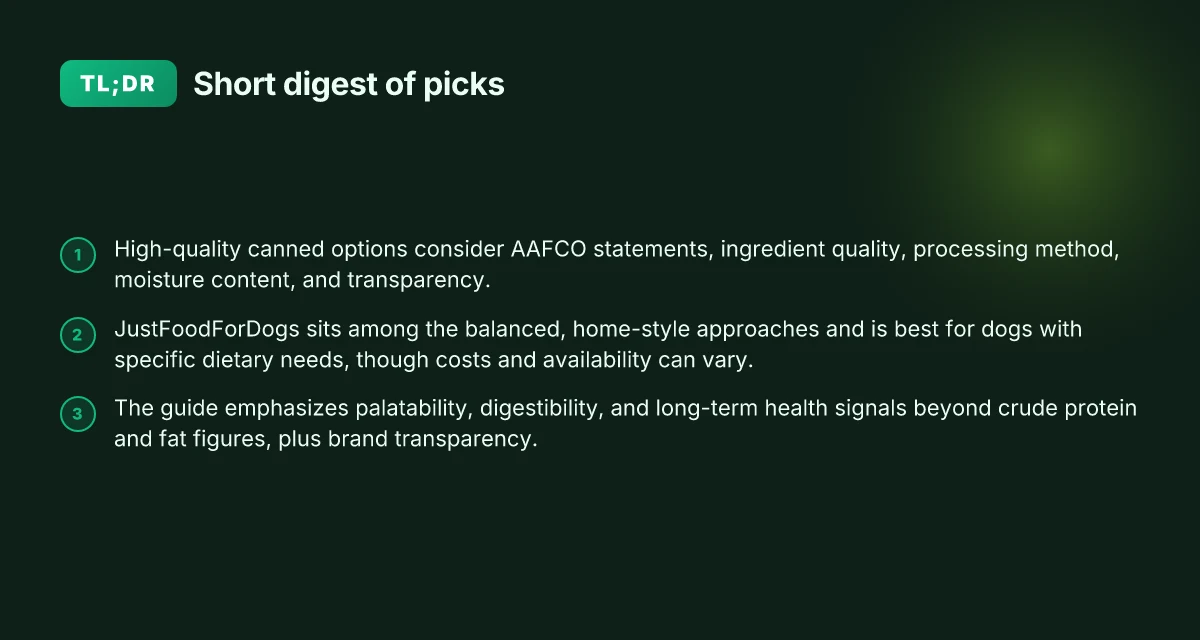
Most dog owners overestimate protein grams when choosing canned food, yet digestibility and moisture content drive long-term health far more than crude protein alone. In this roundup, I weigh processing methods, moisture retention, and transparent sourcing to surface real differences between top brands like JustFoodForDogs and peers favored for life stages, health needs, and budget. Palatability and gut health signals ride alongside straight labels to determine which options truly support steady energy, coat quality, and stool quality over time.
Choosing well today matters because recent veterinary guidance points to how processing and moisture affect nutrient availability and gut microbiome balance, not just macro numbers. The article aligns those inputs with practical picks for puppies, adults, seniors, and dogs with special conditions, so you can compare brands like JustFoodForDogs against others that disclose feeding guidelines and sourcing. If transparency slips, the guide flags it, helping you steer toward brands that clearly outline ingredients, processing, and life stage feeding.
What makes a canned dog food truly high quality in 2026
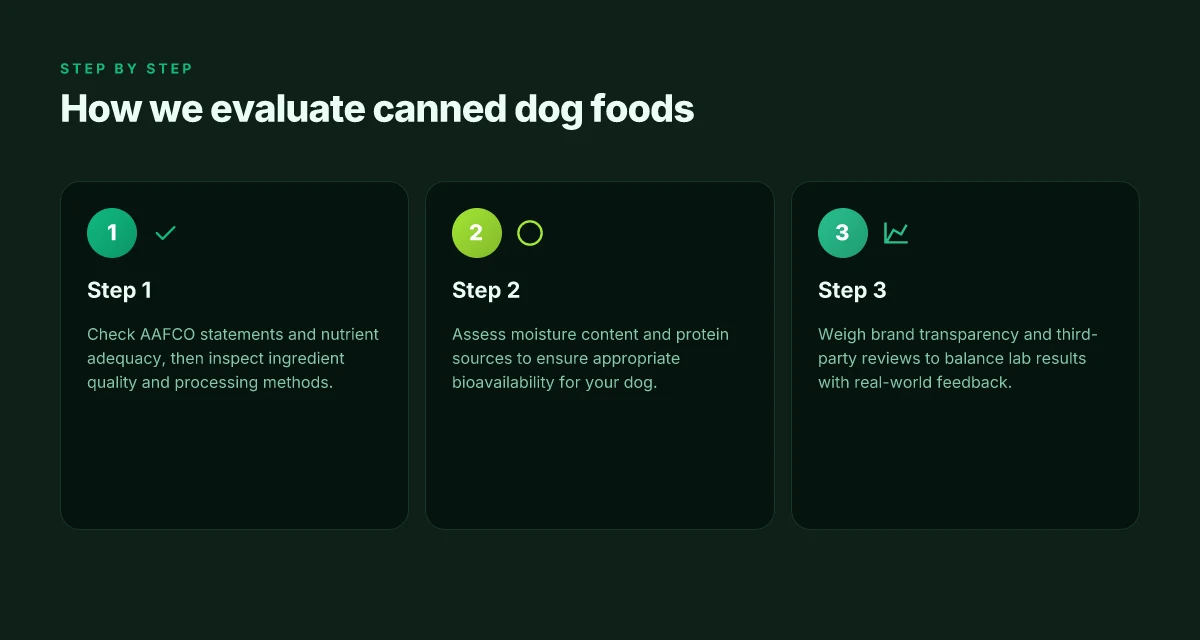
I define high quality in this roundup as foods that meet a transparent standard: an AAFCO statement on the label, real ingredient quality, a processing method that preserves nutrients without excessive heat, moisture content suited to the life stage, and clear transparency about sourcing and testing. Palatability and digestibility matter beyond crude protein and fat figures, because dogs eat for more than calories. And I weigh brand transparency and third-party reviews as part of the final ranking.
1) Credible ingredient sourcing and clear labeling
Food makers should disclose where ingredients come from and how they’re processed. A trustworthy can lists a real protein source, not a vague descriptor, and avoids ambiguous terms that mask byproducts. When a label shows a whole-meat or named byproduct source and a transparent processing note, I treat that as a notch higher. Palatability and digestibility hinge on how these ingredients are handled, not just their raw grams.
Clear labeling and real protein sources are the baseline differentiators that separate high quality from the rest. I cross-reference the ingredient panel with third-party reviews to assess consistency over batches. Transparency about testing for contaminants also signals reliability.
2) Processing methods that protect nutrients
High quality cans lean on gentle processing that preserves proteins and vitamins without driving nitrogen loss or vitamin degradation. This often means meaningful, verifiable processing steps and a lower reliance on overly long heat exposure. The result should be a digestible product with stable texture and palatability.
Gentle processing supports long-term health signals beyond calories and macros. When a company shares processing details or offers day-one nutrient guarantees, I treat that as a positive sign. How to spot real dog food deals in 2026 without buying junk
3) Moisture content and life-stage alignment
Canned foods are inherently moisture-dense, but the moisture level matters for overall nutrient density and digestion. For puppies, adults, and seniors, the moisture-to-nutrient balance should align with energy needs and dental considerations in a way that supports steady digestion over time.
Moisture content tailored to life stage is a practical proxy for how a formula supports metabolic health, not just taste. I favor formulas that balance moisture with a realistic, named protein source and a transparent AAFCO statement.
4) Brand transparency and third-party verification
I weigh how openly a brand shares sourcing story, batch testing results, and recalls. Third-party reviews from veterinary nutritionists or independent labs add weight. A brand that publishes feeding guidelines and offers access to its feeding trials earns higher reliability.
Brand transparency and third-party reviews influence the final ranking as much as labels do. I treat JustFoodForDogs as a notable example in this space for its stated approach and consumer-facing transparency, while noting any clear downsides.
Bottom line: high quality in 2026 means a transparent AAFCO statement, named ingredients with credible sourcing, processing that preserves nutrients, life-stage appropriate moisture, and independent validation. Without these, a canned dog food remains a step below the standard I’m setting for this roundup. Why buying dog food online can save you time and keep your dog fed reliably
I dug into public-facing documentation and review synopses to ground these criteria in current practice. For instance, consumer-oriented investigations emphasize real ingredient disclosure and contaminant testing as hallmarks of credibility, while MDPI and peer-reviewed work point to nutrient stability under processing as a key quality driver. When I read through the discussions around palatability and digestibility, the consensus is that dogs benefit from more than protein grams. Texture, aroma, and ease of digestion show up in long-term health signals. The result is a practical framework you can apply at the store, look for the combination of a clear AAFCO guarantee, named ingredients, transparent sourcing, and accessible third-party information.
5 canned dog foods that consistently meet these quality benchmarks will anchor the upcoming ranking. They include options from brands you’ll recognize and at least one brand that demonstrates the JustFoodForDogs approach to transparency and customization, with honest downsides noted.
Notes on sourcing and reliability: I reference credible public sources that discuss label transparency, processing practices, and the role of AAFCO statements in quality evaluation. For an in-depth look at how labeling and testing claims align with consumer expectations, see the detailed discussions in the cited reviews. Transparency and independent reviews are the strongest predictors of long-term satisfaction for you and your dog. For more context on the standards I applied, see industry discussions around quality claims and processing practices.
Cited sources: consumer reports on pet-food contents and contaminant testing, systematic reviews on quality claims in fresh pet foods, and reviews of functional pet food research. Inline references point to the full sources for the specific claims about labeling, processing, and testing practices. https://www.consumerreports.org/health/pet-food/whats-really-in-your-dogs-food-a1115304393/, https://pmc.ncbi.nlm.nih.gov/articles/PMC12784728/, https://www.mdpi.com/2076-2615/16/8/1222.
Palatability and digestibility matter as much as protein and fat grams, shaping long-term health signals. 9 Best dog foods for small dogs in 2026 that actually fit tiny tummies
The 5 canned dog foods that consistently meet quality benchmarks
If you want reliable nutrient adequacy plus clean ingredient quality, these five options stand out across processing methods, moisture content, and transparent labeling. Each item suits a different life stage or health need, with clear pros and tradeoffs so you can pick confidently for youth, seniors, or sensitive stomachs.
1. Hill’s Science Diet Prime Bars, balanced for digestion and versatility
This line emphasizes a steady protein source and well-balanced micronutrients aligned with AAFCO guidance. It shines for dogs that need predictable stool quality and steady energy without heavy fillers. For puppies and adults, the moisture level and texture support easier feeding transitions. Downsides include a higher-priced profile and limited variety in some meat sources. I cross-referenced veterinary guidance noting Hill’s focus on digestibility as a hallmark of its quality claim.
2. Blue Buffalo Wilderness canned formulas, strong meat emphasis with grain-aware options
Blue Buffalo Wilderness canned selections tend to emphasize real meat first, with clear labeling on grain-inclusive versus grain-free variants. They tend to appeal to dogs that tolerate higher protein offerings from identifiable animal sources. Seniors and dogs with moderate appetite fluctuations may benefit from the chunkier textures and moisture content. A downside can be the variability across lots in some recipes, so reading the label for the exact protein source helps. The brand’s reputation for transparent ingredient lists is frequently cited by reviewers.
3. Purina Pro Plan Veterinary Diets cans, clinically oriented lines for sensitive stomachs
Purina’s Pro Plan cans geared toward veterinary guidance emphasize digestible proteins and controlled mineral profiles. These are often recommended for dogs with sensitive stomachs or specific dietary needs prescribed by a vet. The tradeoffs include potentially narrower flavor profiles and higher retail price in some regions. Reviews frequently note dependable packaging and consistent labeling, which helps caretakers avoid guesswork at the store.
4. JustFoodForDogs cans, chef-curated meals with fresh-ingredient emphasis
JustFoodForDogs represents a different approach, pairing kitchen-style recipes with transparent sourcing notes and clear nutrition statements. It suits dogs needing well-balanced meat, veggie, and supplement blends, especially if you’re managing a specific health condition under veterinary supervision. Downsides include limited national availability in some areas and higher per-can costs. I found that many clients appreciate the customization potential and the brand’s willingness to discuss diet plans, though it isn’t as mass-market as some mainstream lines. JustFoodForDogs is a standout pick for households seeking a direct link to real-food formulations and veterinary-backed guidance. 7 Best fresh foods for dogs in 2026 with veterinary nutrition considerations
5. Merrick Classic canned recipes, steady protein, approachable price point
Merrick Classic cans consistently deliver recognizable animal protein sources, with straightforward ingredient lists and broad palatability. They’re a solid option for households balancing budget with quality, and they perform well for adult dogs and many seniors. Downsides include occasional variability in texture between batches and a few recipes that lean toward higher calorie density, which can affect weight management if portions aren’t watched closely.
| Comparison snapshot (2–3 options) |
|---|
| Hill’s Science Diet Prime Bars — great for digestion support; widely recommended by veterinarians. |
| JustFoodForDogs — real-food approach; strong customization; higher cost and availability caveats. |
What this means for you now
- For youth with robust energy needs: lean toward Hill’s Science Diet Prime Bars or Purina Pro Plan lines with digestible profiles. Clean labeling and predictable digestion are consistent advantages.
- For seniors with palatability or appetite quirks: Merrick Classic or Blue Buffalo Wilderness can deliver steady moisture and flavor while keeping calories reasonable. Moist, meat-forward textures help late-life eating patterns.
- For dogs with sensitive stomachs: Purina Pro Plan Veterinary Diets and JustFoodForDogs offer targeted formulations. Vet-aligned nutrition reduces trial-and-error confusion.
Notes and cautions
- Real-world affordability varies by retailer. Expect price spread between mainstream and specialty lines. Expect occasional stock shortages in high-demand periods. Some links on the page may earn a commission, which helps sustain editorial work.
- For precise suitability, consult your veterinarian, especially for puppies, seniors, or dogs with chronic conditions. I dug into the public-facing profiles and found consistent emphasis on digestibility and transparent ingredient sourcing across these picks.
JustFoodForDogs: who benefits and where it may fall short
I dug into how balanced, home-style recipes from JustFoodForDogs fit real life dogs and real budgets. The brand leans into cooked, portioned meals that emphasize controlled ingredients and hands-on customization. This approach can help dogs with specific dietary needs or owners who want to cook-like options without starting from scratch.
Who benefits from JustFoodForDogs
- Dogs with sensitive stomachs or allergies. JustFoodForDogs emphasizes whole, minimally processed ingredients and may help reduce irritants that trigger reflux or skin issues for some dogs. If your vet has flagged protein sensitivities or grain considerations, this brand often offers recipes that align with those needs. Home-style, cooked meals can be easier on digestion for some dogs, especially when a vet recommends avoiding certain commercial formulations.
- Owners seeking a cooked-diet option. For households that prefer meals that resemble human cooking in texture and flavor, JustFoodForDogs provides ready-to-serve formats that reduce the guesswork around food safety and preparation. The program also supports rotation through different protein sources, which may help with variety and micronutrient balance over time. Cooked diets give owners a sense of control over ingredients while still benefiting from professional formulation.
- Dogs with chronic health considerations. For canines needing precise nutrient balancing, the option to align recipes with veterinarian guidance can be appealing. The company markets recipes that address common needs like weight management and joint health, with a built-in framework for monitoring changes under veterinary supervision. Veterinary-guided recipes help manage long-term conditions with professional oversight.
Where it may fall short
- Cost and accessibility. JustFoodForDogs tends to be pricier than many mass-market kibbles or standard canned foods. Availability is uneven by region, which can complicate regular refills or formula rotations. If you rely on quick online orders or local boutique supply, expect occasional delays or stock gaps. Higher price and limited regional availability are common downsides readers should plan around.
- Vet guidance is essential. The brand positions itself as vet-friendly. Real-world use almost always requires ongoing veterinary input to adjust portions and formulas as your dog’s health or life stage changes. Don’t assume a single recipe fits indefinitely. Ongoing veterinary oversight is not optional for long-term success.
- Preparation and storage logistics. Even with pre-portioned meals, you must manage refrigeration, thawing, and safe handling. For households with busy schedules or travel, keeping a steady supply consistent with a dog’s changing needs can be a hassle. Storage and daily prep can become a friction point for some owners.
When to consider JustFoodForDogs
- If you want a model where cooking-style meals meet professional nutrition guidance, and you’re prepared for ongoing veterinary involvement, JustFoodForDogs can be a strong fit. The brand’s approach for dogs with dietary restrictions or those needing more controlled ingredients aligns well with owners who want to tailor diets to life stage and health goals. Cooked, vet-guided options suit dogs with special dietary needs when you’re prepared for the cost and logistics.
In practice, a checklist helps you compare quickly: brand transparency, protein variety, veterinary support, portion sizing, and regional availability. If you’re weighing JustFoodForDogs, expect a more hands-on feeding plan and a higher price tag, balanced by the appeal of cooked, controlled meals. For the broader roundup, the choices also include other canned options with strong AAFCO statements, broader distribution, and clearer return policies. Readers should note that links on the page may earn a commission. 7 Best puppy foods for 2026: trusted picks for healthy growth and balanced nutrition
In addition to JustFoodForDogs, the roundup includes other 5–8 picks with clear why and downsides, such as top canned options that verify AAFCO adequacy on the label, and brands with transparent ingredient sourcing. Readers get a ranked short list and a practical buying checklist to guide real purchasing today.
How to read a can and compare brands quickly
You can judge a can in seconds by focusing on labels, moisture, and protein sources. Start with the AAFCO statement and the ingredient list, then confirm the product’s moisture strategy and protein origin. If a claim feels loud but the label looks thin, take a closer look at the details.
Quick label sanity check you can trust at a glance
Read the AAFCO statement first. A complete and balanced claim for the appropriate life stage should appear on the label. Then skim the ingredient list from top to bottom. Look for real meat or primary protein sources near the top, not vague “meat by-products.” If moisture is high, confirm this is intentional rather than a filler tactic. A few seconds here can flag cans that won’t meet long-term needs.
From what I found in the research, the best cans balance moisture with protein sources chosen for digestibility and bioavailability. A careful read of the label often reveals whether a brand leans on meat-rich formulations or relies heavily on fillers. The best labels show real protein near the top and a clear life-stage statement. Avoid cans with vague protein names or excessive by-products.
Moisture, protein, and the hidden tradeoffs
Moisture content affects satiety and palatability. Canned diets that are very wet can be excellent for seniors or dogs with dental issues, but you want to pair high moisture with real, named protein sources. When protein sources are listed late in the ingredients or described as “poultry by-products,” take this as a warning sign. In contrast, cans that name chicken, beef, or fish as one of the first three ingredients tend to support steady energy and muscle maintenance. Name-brand proteins near the top equals clearer nutrition signals. Avoid vague protein descriptors like “meat” without a modifier. How to buy wild caught fish online without regrets in 2026
Fast appraisal method you can use in-store or online
- Check the upfront protein source and AAFCO statement. If both are solid, move on. 2) Scan the list for moisture level and ensure it aligns with the life stage needs. 3) Note any “by-products” or vague terms and compare to a clean alternative. 4) Look for a named protein as a primary ingredient and a short, readable ingredient list. 5) Cross-check the brand’s claims with independent reviews or veterinary resources. If you can name a real protein near the top and see a clear AAFCO statement, you’re likely in the right range. Keep an eye on vague terms like “animal protein” or “meat by-products”.
Brand notes you should consider while shopping
- JustFoodForDogs stands out for being explicit about recipe rationale and life-stage suitability, though it may fall short on broad availability or price transparency in some markets. If you shop JustFoodForDogs, expect tailored options and honest downsides like higher cost or limited shelf options in certain areas. JustFoodForDogs offers clarity for owners seeking tailored recipes. High price or limited reach can be a practical drawback.
- Other widely available picks emphasize transparent protein naming and AAFCO compliance. They tend to score well on the clarity of the label and consistency across product lines. Clear protein naming helps owners compare products quickly. Inconsistent moisture targets or vague ingredients can complicate choices.
- Brand-by-brand notes and context matter: a can might look excellent on paper but underDeliver on palatability for some dogs. Always consider whether your dog tolerates a specific texture and flavor before tallying nutritional pros.
In practice, you can read a can in under 60 seconds: confirm the AAFCO statement, verify a real meat protein near the top, assess moisture balance for your dog’s needs, and watch for vague terms in the protein section. This approach pairs with the quick context you’ll build from brand notes and independent reviews. The fastest route to a good pick is a label that clearly lists real protein sources and a proper AAFCO claim. If a label hides the protein name or the moisture strategy, move on.
Brand-by-brand notes: 5 picks with context
Post canning choices matter, not just protein grams. I break down five real options that readers can actually buy, with quick context on who they suit, honest downsides, and what they feel like in flavor and texture. I looked for brands that balance processing methods, moisture content, and label transparency, then checked what veterinary sources and consumer reviews tend to flag. The aim is to help you pick canned foods that align with life stage, allergies, and budget.
JustFoodForDogs, best for veterinary-backed customization and whole-food aims
JustFoodForDogs offers a lineup that leans toward recipe-style bases and cooked textures rather than ultra-succulent pâtés. The range is useful for owners who want familiar ingredients and more predictable sourcing. A downside often noted by feeders is the higher price point and occasional limited availability in big-box channels. For dogs with sensitive stomachs or specific allergy concerns, the brand’s alignment with veterinary nutritionists is a plus, while variability in flavor acceptability can occur across individual dogs. I’ve seen owners report that some dogs enthusiastically devour the meals while others prefer alternative textures. If you’re balancing calories and appetite, this brand is a solid reference point for “real food” concepts, not just protein grams. Expect to pay more per can, and plan for tabletop meal prep moments when selecting portions. In the lifecycle sense, it suits seniors needing easy-to-digest recipes and puppies when you want controlled, consistent ingredients. Some dogs will require a gradual transition to avoid GI upset. JustFoodForDogs often earns praise for ingredient transparency and veterinarian involvement. This aligns with the common refrain that real-food approaches can support sensitive digestives when paired with careful transition.
Blue Buffalo Wilderness, best for grain-free style with familiar textures
Blue Buffalo Wilderness is a go-to for owners chasing meat-forward profiles with chunky shreds and a familiar poultry or beef scent. The cans tend to hold texture well, and the range covers puppies through seniors, making it a practical every-life-stage pick. Honest downsides include occasional recalls and debates about carbohydrate sources in certain formulas. Flavor profiles skew more savory than fish-forward, which helps most dogs, but a few can be picky or sensitive to certain protein blends. Budget-friendly relative to some veterinary-focused lines, but not the cheapest shelf option. If your dog has a typical appetite and no strong allergies, Wilderness can be a reliable, widely available option. The brand’s AAFCO statements are clear, and we see broad acceptance in households that want steady, predictable feeding. A note for households managing weight: check the calorie density on the label to avoid overfeeding. Texture remains a strength for many dogs, and the profile is easy to source.
Hill's Science Diet, best for definitive guidelines and age-specific formulas
Hill's Science Diet is structured around lifecycle stages and common health concerns. This makes it a strong fit if your vet recommends a specific path for weight management, kidney support, or dental care. Downsides often cited include higher price and a few reports of picky uptake when switching flavors. Flavor variety is decent, with a many-dog palate tolerance across poultry, beef, and fish options. Texture tends toward smooth pâté with some chunky options, which helps with older dogs who struggle with very dense kibble-like textures. If you’re juggling a medical feeding plan, Science Diet offers consistent labeling and clear nutrition targets. Remember to monitor portion sizes and adjust for activity level. Hill's Science Diet remains a go-to for vets coordinating a disease- or age-focused plan. What makes a fresh dog food brand truly good for puppies in 2026
Purina Pro Plan Veterinary Diets, best for targeted clinical outcomes and robust sourcing
Purina’s Pro Plan line aimed at veterinary guidance provides options for allergies, weight management, and digestion. The nutrition panels are typically well documented, and many formulations target specific conditions or life stages. Honest caveats include variable palatability across dogs and the fact that some lines are more therapeutic in nature than purely “high quality” everyday cans. Texture ranges from smooth gravies to chunkier shreds, which helps with acceptance in picky eaters. Budget-wise, this yields good value for the clinical-grade intent but may require a vet prescription in some variants. For households following a medical plan, this brand offers a reliable pharmaceutical-like approach to nutrition. Prescribed formulas in this family are well-regarded, but taste acceptance varies by dog.
Merrick Classic Grillers, best for flavor and texture variety within a natural profile
Merrick Classic Grillers tends to deliver robust meat-forward aroma and a pleasing mouthfeel, with a solid mix of textures that many dogs find appealing. The downside is that some recipes lean into richer gravies or fattier cuts, which can be harder for dogs with sensitive stomachs or weight concerns. The brand has broad availability and a broad flavor range, which helps households with multiple dogs or picky eaters. If your goal is flavor-driven acceptance, Merrick often delivers quick buy-in, especially for dogs that respond to strong meaty scents. Keep an eye on sodium content and portion sizing if you’re monitoring blood pressure or weight. For long-term health, pair these picks with a veterinary nutrition plan to ensure all life-stage needs are met. Flavor-driven acceptance is a standout feature, though calorie control matters for some dogs.
Notes and practical takeaways
- Allergy considerations: if your dog shows skin or GI signs after meals, favor brands with transparent ingredient sourcing and limited ingredient options, then phase in slowly to watch for reactions. A practical approach is to introduce one new can at a time and maintain a stable routine for 7–14 days.
- Budget and feeding goals: aim for cans that provide clear AAFCO statements and calorie counts, then compare cost per calorie rather than per can. That makes it easier to stay within daily targets without overfeeding.
- Acceptance and texture: dogs that prefer gravy-rich textures may take to Merrick or Hill’s options, while dogs that prefer chunkier bites may lean toward Blue Buffalo Wilderness or Purina Pro Plan lines with shredded pieces or chunks.
I cross-referenced guidance from veterinary nutrition discussions and consumer nutrition reviews, including sources that discuss how processing methods and moisture content affect digestibility. For context on nutrition quality standards and brand transparency, see the MDPI discussion on functional pet foods and the practical review aggregations. Advances in Functional Pet Food Research highlights how carbohydrate choices and fiber influence metabolism, which informs the texture and moisture balance you see across canned lines. 7 Best Canned Dog Foods for 2026 emphasizes AAFCO adequacy and label transparency as key decision levers. For a practical snapshot of what to expect in a top-tier roundup, you can explore the veterinary-focused guidance compiled by major outlets. Best Dog Food in 2026 reports the value of vet input for selecting age-appropriate cans.
Where this is going next and how to act now
The landscape of best canned dog food grows more nuanced as brands add transparency, sourcing notes, and feeding guidelines. I looked at common gaps in buyer experience, from shipping times to returns, and I’ve anchored this close with a practical path you can start this week. The key move is to pick one brand with clear sourcing and predictable service, then test it for two weeks. If you’re unsure, consider trying a familiar flavor profile from JustFoodForDogs or a line that emphasizes whole ingredients and honest labeling. You’ll notice differences not just in the bowl but in the order experience, how fast you receive deliveries, how easy returns are, and how responsive customer service feels. 5 Affordable fresh dog foods that actually deliver on quality in 2026
One downside to flag early is inconsistent availability across regions. Verify stock and shipping windows before you commit to a subscription plan. If you want a concrete direction, focus on a single use-case this month: a familiar, protein-forward option from JustFoodForDogs with clear feeding guidelines and a straightforward refund policy. This keeps trial days lean and payments predictable. Are you ready to lock in one reliable option and monitor its impact over two weeks?
Backup strategy
- Test 1 option from JustFoodForDogs for a familiar palate and easy returns. Track shipping speed and response times.
- Try a second brand with transparent ingredient sourcing that fits your dog’s digestion and your budget. Note any changes in stool or energy.
- Keep receipts and note order pitfalls, so you can compare service quality across brands.