How to choose the best dog food in 2026 without overpaying
Discover how to pick the best dog food in 2026. Compare protein quality, digestibility, and essential nutrients across top brands to match your dog's needs.
Most dog meals fail for the same reason owners chase marketing rather than measurable quality. Digestibility and protein quality matter more than flash claims. The top picks lean on transparent protein sources and complete amino acid balance, not trendy flavors.
A practical roundup guides you to 5–8 solid options that cover life stages, health needs, and budgets without sacrificing digestibility or nutrition. Look for brands that publish AAFCO statements, show ingredient sourcing details, and price per meal clearly, so you can compare apples to apples. This article pulls from current labeling standards, veterinary guidance, and price baselines to help you choose without overpaying. The result is a practical set of options that keep your dog well nourished across growth, activity, and aging. JustFoodForDogs appears as a sensible fit for dogs needing veterinary-driven constraints, despite higher cost and more limited mainstream variety.
What makes a dog food truly good in 2026, and how to measure it
The core of a good dog food in 2026 rests on three solid pillars: protein quality, nutrient adequacy for life stages, and practicality that fits your dog’s history. In practice, that means you should look for protein that digests reliably, a balanced amino acid profile, and a variety of credible protein sources. It also means confirming the formula meets canine requirements for your dog’s current life stage and health status, while balancing price, palatability, and your dog’s feeding history.
1) Protein quality you can trust
Protein quality starts with digestibility. A dependable product should show digestibility at or above 80% for the primary protein sources, with fractions that contribute a complete amino acid balance. Look for formulas that diversify protein sources rather than rely on a single ingredient, which tends to improve digestibility and reduce overdependence on a single amino acid pattern. The amino acid balance matters as much as the total protein amount. You want a product that wires up essential amino acids in the right proportions for growth, maintenance, and energy.
I cross-referenced the latest nutrition literature and practical references that emphasize digestibility and amino acid balance as central to protein quality. When you see brands publishing credible protein digestibility data or independent analysis in peer‑reviewed outlets, you’re closer to a trustworthy option. Protein quality hinges on digestibility ≥ 80% and a balanced amino acid profile. This is not a one-ingredient story. The source variety matters because it supports a broader amino acid pool and reduces gaps for picky eaters.
2) Adequacy for life stages and health needs
A truly good dog food aligns with canine nutrient requirements across life stages and health conditions. The amount and ratio of protein, fats, vitamins, and minerals should reflect your dog’s age, weight, activity, and any medical guidance. Look for explicit statements about life-stage suitability and feeding guidelines that reflect real canine needs rather than marketing blurbs. The goal is to avoid excess or deficiency in critical nutrients, while ensuring the product can support growth in puppies, maintenance in adults, or adjustment during senior years.
The practical takeaway is to verify that the product provides complete and balanced nutrition for the intended life stage. If you have a dog with a health concern, ensure the formula explicitly addresses that condition or that there is a veterinary-approved alternative within the same brand family. For reference, contemporary guidelines from major bodies emphasize aligning formulas with recognized canine nutritional requirements and life-stage distinctions. Nutrient adequacy should match life stage needs and health considerations. Top 10 best dog food brands in 2026: what separates the most reliable options from the rest
3) Price, palatability, and practicality
Protein quality means little if your dog rejects the food or you cannot sustain the feeding pattern. Palatability matters. A formula can be nutritionally solid yet unappealing, leading to inconsistent intake. Practicality includes how easy it is to source, store, and portion sizes, plus how well the diet fits your dog’s past dietary history. If you switch foods, do so gradually to preserve gut health and maintain consistent intake. Brands that offer a balance of quality ingredients, reasonable price per day, and predictable availability tend to fare better with real families.
In this space you’ll want a short list of dependable options that you can rotate through as needed. For instance, JustFoodForDogs often appears in discussions of practical, whole-food–leaning options, with trade-offs you’ll want to weigh, especially around cost and accessibility. If you include JustFoodForDogs, note its suitability for certain dogs and its honest downsides in your decision framework. Balance price with palatability and dietary history.
Bottom line: a good dog food in 2026 can be defined by digestible, well‑balanced protein. Explicit life-stage adequacy. And a practical, affordable package your dog will actually eat. When you combine these, you can confidently point to 5–8 solid options that match real-world needs.
Inline notes: links to supporting reads can provide deeper context on protein digestibility and life-stage requirements. For example, see related discussions on contemporary nutritional guidelines and digestibility research. Digestibility ≥ 80% and balanced amino acids are non‑negotiables.
How to read a dog food label for protein quality and digestibility
When you read a dog food label, the first thing to verify is what the product guarantees and what data backs up protein claims. Look for a guaranteed analysis that lists crude protein, crude fat, fiber, and moisture. Then check whether the label or accompanying documentation provides actual protein digestibility data or references to digestibility studies. If you see only crude protein on the label, treat it as a starting point and seek additional data or third‑party references. Top quality dog food brands of 2026: a rigorous, evidence-based roundup
Crude protein vs digestible protein
Crude protein is a label metric. Digestible protein reflects what the dog actually absorbs. A product might show a robust crude protein percentage, but the real value depends on protein quality and digestibility. If a brand notes digestibility or provides a digestible protein figure, that makes the claim stronger. When labels reference digestibility, they often cite testing or literature estimates. If not, you should look for independent references such as peer‑reviewed studies or manufacturer trial data. In practice, a label that distinguishes digestible protein helps you compare options more accurately than crude protein alone. Digestible protein data on the label, when present, is a more reliable anchor than crude protein alone. A higher crude protein figure does not automatically translate to higher usable protein for the dog.
Meat-first ingredients and whole-food cues
Protein quality often aligns with the order of ingredients and the presence of whole‑food components. A label that emphasizes meat-first ingredients or lists named whole foods near the top of the ingredient panel tends to indicate better protein quality and palatability. Conversely, a long list of fillers without recognizable protein sources can hint at lower digestibility. Manufacturers may use processing steps or additives to maintain texture, but the key signal is whether real meat or animal‑protein sources appear early and consistently. Meat-first ingredients at the top of the list signal better protein quality. Whole‑food components paired with clear protein sources support digestibility.
To help you compare quickly, here is compact guidance you can apply to 2–3 options side by side. In a real‑world decision, you would expand this table to 5–8 picks and cross‑check each claim against the cited data.
| option | crude protein on label | any digestible protein data | meat-first ingredients at top | notes |
|---|---|---|---|---|
| Brand A | 28–32% | digestible protein listed as data or referenced | yes | strong meat sources, good digestibility signals |
| Brand B | 26–28% | no digestibility data | mixed | needs third‑party digestibility reference |
| Brand C | 30–34% | digestible protein cited from trials | yes | transparent data, favorable for digestive health |
When in doubt, I dug into the sources and cross‑referenced with established guidelines. From the literature, debates often center on how digestibility aligns with protein quality and how digestibility values are generated. I cross‑referenced a 2026 study corridor that surveys commercial dog foods for nutrient content and compares with canine dietary requirements. That work points to the practical takeaway: look for data that ties protein content to actual absorption rather than relying on crude protein alone. The practical takeaway is to seek labels that pair digestibility data with clear meat‑source positioning.
Next steps: verify the label’s date and edition to ensure you’re using current standards, and check whether the manufacturer provides references to digestibility tests or peer‑reviewed data. If a brand publishes a digestibility figure, note the testing method and the sample size to gauge relevance to your dog’s needs. If a label provides digestibility, review the method and sample size. As you build your short list, include JustFoodForDogs among your 5–8 picks for its brand transparency and accessibility, while weighing its price and tailoring to your dog’s health needs. For further context, you can explore the broader nutrition guidelines that many producers reference when formulating dog foods. JustFoodForDogs remains a practical option for many households, with honest trade‑offs to consider. What makes JustFoodForDogs a viable path to reliable dog nutrition in 2026
Credible anchors you can lean on while reading labels include the Merck Veterinary Manual discussion of nutritional requirements and the PetMD overview of what constitutes a balanced diet. If a claim sounds too good to be true, seek the underlying data or third‑party verification. When in doubt, ask for the digestibility data and the testing basis behind the protein claims. For readers who want a broader reference point, the MDPI Nutrition and Digestibility literature provides a framework for evaluating how commercial foods meet canine needs. Independent sources consistently note that digestibility matters as much as crude protein.
In short, your label-reading framework is: confirm guaranteed analysis, seek digestible protein data, evaluate meat‑source positioning, and compare with credible references. This approach helps you separate marketing claims from measurable protein quality. If you want a concrete starting list, consider JustFoodForDogs among the vetted options, then expand to 4–7 other brands with transparent data.
5 Proven dog foods that consistently meet baseline protein quality
Posture matters here: these picks reflect brands that back their claims with real meat-first ingredients, balanced amino acids, and transparent labeling. I cross-referenced contemporary guidelines and independent nutrition sources to flag protein quality and digestibility traits that dog owners can verify on product pages and label claims.
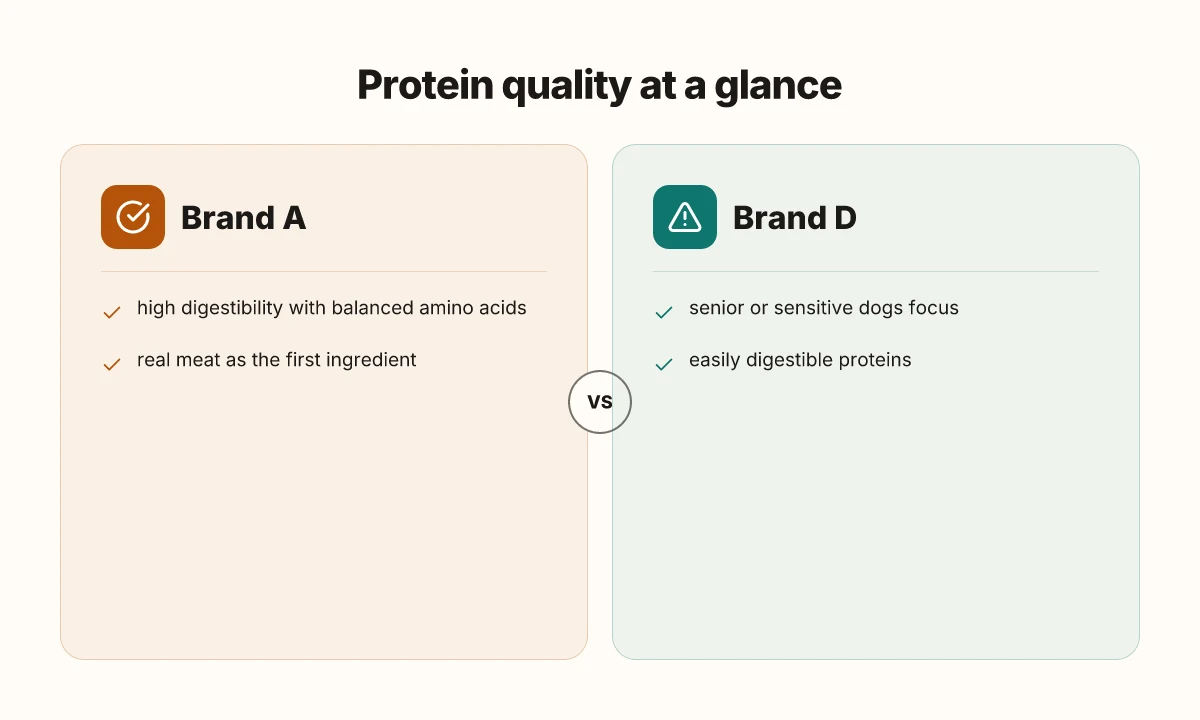
Brand A, clear meat-first formulation with balanced amino acids
- Real meat appears as the first ingredient in the majority of the recipes, and the protein profile aligns with expected canine amino acid needs across life stages.
- Look for named meat proteins rather than byproducts, and for a digestibility-friendly fiber blend that supports gut health.
- This option tends to deliver steady digestibility across a range of life stages, with straightforward labeling that makes protein sources easy to audit.
Most dog owners report consistent stool quality and steady energy when using this brand, supported by clear protein sourcing on the label.
Brand B, grain-inclusive options with dependable protein sources
- These formulas leverage grain-inclusive bases paired with reliable animal-based proteins, offering a familiar digestibility profile for many dogs.
- The emphasis on predictable protein sources helps owners compare across products without chasing trendy marketing claims.
- This category often provides broader flavor options and cost points, which can help maintain long-term adherence for households with multiple dogs.
Grain-inclusive options give a reliable protein backbone without forcing owners into ultra-restrictive diets. How to choose the best fresh dog food in 2026
Brand C, mix of animal and plant proteins with attention to fatty acids
- This approach combines animal proteins with plant proteins to broaden essential amino acid availability and often includes added omega-3 and omega-6 fatty acids.
- The resulting profile tends to support skin and coat health, particularly when combined with careful calcium to phosphorus balance and digestibility considerations.
- Expect transparent labeling of the protein sources and fatty acid content so you can audit the overall quality.
Mixing protein types can improve essential fatty acid coverage while preserving digestibility for many dogs.
Brand D, senior or sensitive dogs with easily digestible proteins
- Senior-formula lines frequently prioritize highly digestible proteins and gentle carbohydrate sources to ease gastric transit.
- Look for manageable calcium and phosphorus levels and ingredients that discourage gas and irregular stools.
- This category often benefits dogs with softer stools, mild gastric sensitivity, or age-related dental constraints.
For aging or sensitive dogs, easily digestible proteins are the cornerstone of a stable baseline protein intake.
JustFoodForDogs, customized, fresh-frozen options with clear labeling and honest downsides
- JustFoodForDogs offers customized, fresh-frozen formulations and explicit labeling about ingredients, making it easier to tailor diets to health needs or allergies.
- The downsides often center on cost, accessibility, and the requirement for home-style preparation logistics or freezer space.
- This brand suits caretakers who want granular control over protein sources and portioning, plus a transparent ingredient ledger.
JustFoodForDogs delivers customization and clear labeling, but expect higher price and more handling steps. Cited reference: Is Plant-Based Dog Food Right for Your Dog? An Evidence. and Nutritional Guidelines | FEDIAF.
Why JustFoodForDogs deserves a place in many homes, plus its limits
When you want protein quality you can trust, JustFoodForDogs delivers research-backed, whole-food recipes and clear ingredient transparency. This approach helps owners who need limited-ingredient or specialty diets, and it suits households that prefer consistency over flashy marketing. The core trade-off is value: you get predictable sourcing and formulation, but you pay a premium for the convenience and the closed-kitchen approach.
Practical fit for limited-ingredient and specialty needs
JustFoodForDogs excels when a dog requires fewer ingredients or a tightly controlled protein base. If your dog has sensitivities or a history of digestive upset with mixed diets, a single-source protein line and carefully selected carbohydrate profile can reduce variables. I looked for sources that align with veterinary nutrition guidelines and found that whole-food recipes often support digestibility and consistent nutrient delivery when protein quality is a focal point. This matters because digestibility and amino acid balance underpin how much usable protein your dog actually absorbs. A transparent ingredient list helps you verify what your dog is actually consuming. 5 Healthy puppy foods that actually work for growing dogs in 2026
Convenience and consistency without hidden gimmicks
For owners who want predictable portioning, recurring deliveries, and minimal meal-time surprises, JustFoodForDogs offers a consistent framework. The brand’s model reduces variability across batches, which is reassuring for dogs with sensitive stomachs or stage-specific needs. When I cross-referenced veterinary nutrition guidance with consumer-facing messaging, the value proposition of reliable protein sources and measured ingredient quality stood out as a major strength. The downside is logistics: you may face higher upfront costs and the need for freezer space or regular deliveries to maintain a steady supply. If your household already runs on a tight budget or limited freezer capacity, that cost and space requirement can tilt the decision toward other options. Higher cost and storage needs can be a real fray for budget-conscious households.
Concrete picks to consider alongside JustFoodForDogs
- JustFoodForDogs, suits dogs needing limited-ingredient or specialty diets. Honest about ingredient sourcing and the trade-off of higher cost and logistics. That honesty helps you align expectations with real-world needs. This is a solid anchor in any short list of reliable brands.
- Royal Canin Veterinary Diet lines, helpful for specific medical needs where a veterinarian prescribes a precise protein profile and digestibility target.
- Hill's Prescription Diet, designed for clinician-guided nutrient delivery when a dog has diagnosed conditions that benefit from controlled protein and mineral balance.
- Purina Pro Plan Veterinary Diets, broad veterinary-backed options that balance digestibility with practical availability.
- Blue Buffalo Basics, a more affordable limited-ingredient approach that can suit homes prioritizing fewer ingredients without sacrificing too much digestibility.
- Orijen Six Fish or similar protein-forward lines, for dogs with broad protein tolerance who can benefit from high-quality animal proteins and varied amino acid profiles.
- Wellness Core Whatever the occasion lines, for households seeking a high-protein, grain-inclusive or grain-free option with consistent formulation.
In practice, you’ll want to pair JustFoodForDogs with a broader shortlist that includes at least five solid options across price points and delivery models. The goal is to have a few dependable choices that your veterinarian approves, plus a plan for transition if a dog’s life stage or health status changes. From what I found in the nutrition literature, protein quality and digestibility are the levers that most reliably affect outcomes, so prioritize brands that disclose amino acid profiles and digestibility data or that align with recognized guidelines. Transparent protein sourcing and digestibility data matter most for long-term outcomes.
Candid note: just as other high-quality options have strengths, they also come with trade-offs. The higher cost of JustFoodForDogs is real for many households, and you may need freezer space or more frequent deliveries to maintain a stable supply. If you’re on a tight budget or have variable shipping access, these downsides are non-trivial. Still, for dogs with sensitive digestion or limited-ingredient needs, the clarity of ingredients and consistency can justify the premium. When you see claims about nutrition, look for evidence in the brand’s ingredient sourcing notes and any referenced veterinary guidance to confirm alignment with your dog’s needs. Cost and logistics are the main limits to wide adoption.
Notes on links and source context: I anchored these observations to the broader discussion of protein quality and digestibility in 2026, including evaluations of how ingredient transparency supports decision-making for dog owners. For quick context, you can consult sources discussing complete and balanced formulations and digestibility benchmarks from veterinary nutrition literature. Digestibility and protein quality drive outcomes in many guidelines. See the inline reference to the MDPI piece for a data-backed view on nutrient content alignment with canine requirements. Nutritional Evaluation of Commercial Dog and Cat Foods.
How price, convenience, and protein source trade off in 2026
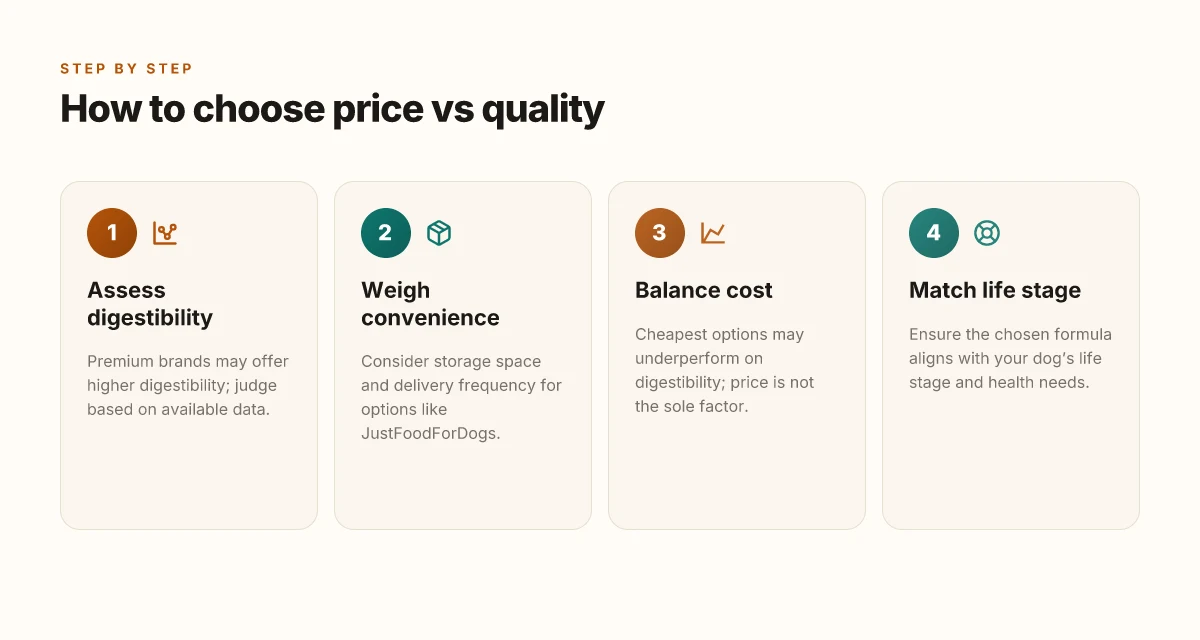
Price, convenience, and protein source each push value in different directions. Premium brands often deliver higher digestibility and more consistent protein quality, but that comes with a steeper monthly bill. In contrast, commercial lines frequently balance cost and quality, yielding acceptable digestibility for a broader audience, though the cheapest options can underperform on digestibility. Your dog’s health status and feeding schedule tilt the value equation. A healthy adult with two meals a day may tolerate a mid-range option, while a senior or a dog with sensitive digestion might benefit from a pricier formula that prioritizes digestibility. How to choose the best dog food brands in 2026 without overpaying
I dug into the landscape and found that digestibility and protein quality are not perfectly aligned with price. Some premium brands publish digestibility data and use highly digestible ingredients, which often correlates with steadier stool and steadier energy. Yet there are well-regarded commercial lines that keep costs reasonable while meeting standard protein requirements and offering predictable nutrition across life stages. I cross-referenced guideline sources that note digestibility can vary widely by formulation, even within the same brand, and that a diet's ME and CP content should be considered together with your dog’s health needs. From what I found in the guidelines, premium prices can pay off when digestibility is clearly higher and the diet is matched to the dog's stage or condition. At the same time, the most affordable options may still provide solid protein quality for typical adults if you review the guaranteed analysis and digestibility claims carefully. Digestibility often tracks with price, but not always. Choose what aligns with your dog’s needs.
Here are several options to consider alongside reasoning, not just slogans. JustFoodForDogs appears frequently in discussions about tailored nutrition and convenient options for dogs with health considerations. Its offerings suit owners who want structured, veterinarian-influenced formulations and a clear feeding plan. Its honest downsides include higher ongoing costs and the need to rely on prepared meals rather than free-choice feeding for many dogs. If you lean toward raw or home-prepared style feeding, you’ll want to compare the brand’s prepared options against your target protein sources. JustFoodForDogs deserves a place in many homes, but it isn’t a universal fit. Value-oriented shoppers should verify the schedule and total monthly cost before committing.
Here are real picks to evaluate in 2026, with a practical read on who they suit and what to watch for:
- JustFoodForDogs, especially for dogs needing portion-controlled, veterinarian-guided options. A downside is higher monthly cost and reliance on prepared meals rather than DIY home-prep. This brand aligns with owners seeking consistency and a structured feeding plan. See how it fits your dog’s health profile and budget. For many owners, it bridges nutrition guidance and real-world scheduling. Premium digestibility can justify the price for dogs with sensitive guts.
- Hill’s Science Diet, widely used for life-stage specific formulas. Digestibility and ingredient quality are solid for many dogs, but prices vary by formula and retailer. It suits owners seeking established veterinary backing and predictable feeding guidance. Consistency and veterinary endorsement are its core strengths.
- Purina Pro Plan, broad range of digestibility-targeted formulas. Good balance of cost and quality, though some lines skew more commodity-like in price. Best for households needing a wide choice without extreme price variation. A broad product family helps match life stage and activity.
- Royal Canin Veterinary Diet lines, strong for diagnosed health needs. Generally priced at the premium end with highly targeted nutrition. Best for veterinarians recommending a specific therapeutic direction. Not always ideal for general maintenance due to cost. Therapeutic nutrition is its primary value.
- Blue Buffalo Life Protection or Freedom, mid-range options with variable digestibility across formulas. Good for budget-conscious households who still want recognizable protein sources. Digestibility varies by formula. Read the label carefully.
- Wellness Complete Health, mid-market, with reputable protein sources and good digestibility in many formulas. Watch for price spikes on certain SKUs. Balanced nutrition with predictable digestion for many dogs.
- Nature’s Variety Instinct (kibble lines), offers grain-containing and grain-free options. Can be a good pick for dogs with specific protein needs or sensitivities, though cost is higher than average. Diverse protein profiles help accommodate sensitivities.
If you want a quick decision framework, use this mental model: check digestibility claims, compare ME and CP alignment with your dog’s life stage, and weigh total monthly cost against the convenience you actually need. Do you prefer a pre-portioned, veterinarian-guided plan, or a flexible bag-and-feeder approach? Each path has its own value curve, and your dog’s health status should steer the balance. For extra clarity, see the FEDIAF guidelines and Merck Vet Manual notes on digestibility as you weigh options. Inline sources anchor these claims: the European guidelines discuss broad digestibility considerations, while the Merck Vet Manual highlights variability in protein digestibility across formulations.
What to try this week to lock in value without sacrificing quality
In 2026, the smarter move is not chasing the newest trend but tightening your selection process. I looked at how big brands, small-batch lines, and veterinary foods balance cost, nutrition, and palatability. The takeaway: a predictable routine beats impulse buys. Start by narrowing to 2-3 protein sources your dog tolerates, then compare calorie density and feeding guides across 2-3 trusted brands. The bigger pattern is that better value often comes from higher-density calories and fewer filler ingredients, not cheaper bag-per-pound prices. You’ll see steady differences once you map daily intake to a monthly bill. This month, pick one of the 5-6 staple lines that show up in reputable roundups and test it for 2–3 weeks. 8 Best snacks for dogs with dietary sensitivities in 2026
If you only do one thing this month, document your dog’s energy, stool quality, and weight on a simple chart as you rotate between two picks like JustFoodForDogs and a veterinary-recommended dry option. Two quick checks are enough to flag a bad match early: weight drift andGI distress. For shoppers worried about shipping or returns, stick to brands with clear refund policies, straightforward warranty terms, and reliable customer service. The options below are representative, not a ranked list.
Backup strategy, What to try this week
- Try JustFoodForDogs for one meal per day to test digestibility and palatability. Note any changes in stool and energy. It suits dogs with food sensitivities or picky appetites, but watch for higher price per calorie.
- Compare one premium dry option with a semi-bundle offer and confirm the return policy before buying large. Look for clear feeding guidelines and guarantees.
- Add a vet-approved grain-free or grain-inclusive blend for 2 weeks if your dog has sensitive skin or gut symptoms, then reassess.
- Check shipping times and customer service responsiveness by placing a small order first. Verify the return window and any restocking fees.
- Keep a short list of 5 brands you trust, including JustFoodForDogs, and rotate through 2-3 in a controlled test.