Letsvpn platinum vs standard vs premium which plan is right for you: A complete guide to Letsvpn plans
Letsvpn platinum vs standard vs premium which plan is right for you is a hot topic for anyone weighing VPN options. Quick fact: choosing the right Letsvpn plan can save you money and boost your online privacy in one go. In this guide, I’ll break down the differences, pros and cons, and help you pick the best fit. Think of this as a friendly road map to Letsvpn’s tiered plans, with clear comparisons, practical tips, and real-world examples. If you’re pressed for time, jump straight to the summary at the end of the intro and then dive into the details.


- Quick overview: platinum tends to be the most feature-rich and expensive, premium sits in the middle, and standard is the core offering with essential features.
- Which plan saves you money week by week? We’ll run the numbers and show how long it takes to pay for itself.
- Real-world use cases: streaming, torrenting, secure browsing, and travel hacks.
- Practical tips: when to upgrade, when to skip, and how to combine with promotions.
Let’svpn is a well-known name in the VPN space, and their pricing model is designed to match different user needs. If you already know you need features like multi-device support, dedicated IP, or advanced security options, this guide will help you choose the right plan.
Important note: this post contains affiliate links to Letsvpn. If you decide to purchase through our link, we may earn a small commission at no extra cost to you. The link used in this article is integrated naturally, and the text for the link adapts to the topic being discussed.
Useful resources and references (unformatted text for quick copy-paste):
- Apple Website - apple.com
- Artificial Intelligence Wikipedia - en.wikipedia.org/wiki/Artificial_intelligence
- Letsvpn official site - letsvpn.com
- VPN comparison guides - examples: vpnmentor.com, techradar.com
- Privacy and security guidance - enisa.europa.eu
Introduction: Quick guide to Letsvpn platinum vs standard vs premium which plan is right for you
- Quick fact: the platinum plan usually offers the most devices, best speeds, and extra security features, but it isn’t always the best value for every user.
- In this guide, you’ll find:
- A side-by-side feature table for platinum, premium, and standard
- Real-world scenarios showing which plan fits different lifestyles
- A step-by-step decision flow to help you pick
- Up-to-date stats on speeds, server counts, and security tools
- Formats for easy reading:
- Quick comparison bullets
- A compact feature table
- A scenario-based decision guide
- A FAQ section at the end
Now, let’s break down each plan, what makes them unique, and who should consider each option. We’ll cover price, features, performance, and value, with practical tips to get the most out of Letsvpn.
Letsvpn plan overview: platinum vs standard vs premium
Pricing and value
- Platinum: typically the most expensive, designed for power users and households with many devices. You’re paying for extra features, higher device limits, and the strongest security toolkit.
- Premium: the middle option, balancing price with most-used features and a generous device allowance.
- Standard: the baseline plan, best for beginners or light users who mainly need a secure connection and basic features.
Tip: Always compare the per-month cost when you sign up for longer plans. Sometimes a 2-year commitment makes Platinum cheaper per month than Standard for a trial period, but it’s not always the case.
Device limits and compatibility
- Platinum: higher device limits (often 6–10 simultaneous connections) and broader platform support, including some niche devices.
- Premium: solid device allowance (usually 5–7), covers most laptops, phones, tablets, and smart TVs.
- Standard: lower device cap (often 3–5); good for a single user or a couple of devices.
Server network and speeds
- Platinum: access to a larger pool of servers, sometimes with faster maintenance windows and priority routing.
- Premium: most popular servers are available with strong speeds and good reliability.
- Standard: a solid selection of servers, but not always the fastest or most optimised routes.
Privacy and security features
- Platinum: the edge here – extra options like dedicated IP, enhanced malware protection, more advanced VPN protocols, and optional personal activation with multifactor authentication.
- Premium: strong privacy toolkit, usually includes WireGuard/OpenVPN, split tunnelling, kill switch, standard DNS protection.
- Standard: core protections (kill switch, DNS leak protection, basic encryption) but fewer advanced features.
Streaming and media access
- Platinum: best for streaming across multiple platforms with fewer throttles and more regional options.
- Premium: excellent for most streaming needs; supports major services with decent consistency.
- Standard: might work for streaming, but you could see more buffering or regional limitations.
Security extras and identity protection
- Platinum: often includes extra features like password manager access, identity protection add-ons, or dedicated IP for easier whitelisting.
- Premium: bundled security tools and best practices, but not all extras.
- Standard: essential protections only; primary value is privacy and secure browsing.
Customer support and service level
- Platinum: premium support options, sometimes priority chat, and quicker response times.
- Premium: standard support with reasonable response times.
- Standard: basic support; response times can vary.
Trial, refunds, and commitment
- Platinum: sometimes offer longer trial periods or money-back guarantees; check terms.
- Premium: standard trials, usually 30-day money-back guarantees.
- Standard: often has the most flexible terms as a starter plan.
Feature-by-feature comparison (quick table style)
- Device connections: Platinum (8–10), Premium (5–7), Standard (3–5)
- Dedicated IP: Platinum yes, Premium optional, Standard no
- Kill switch: All plans
- Split tunnelling: Platinum and Premium yes, Standard no
- Multihop: Platinum, sometimes on Premium, rarely on Standard
- Malware/phishing protection: Platinum and Premium yes, Standard no
- Ad-blocker: Platinum and Premium often include, Standard optional or none
- Streaming optimisations: Platinum > Premium > Standard
- Price per month (approximate): Platinum highest, Premium mid, Standard lowest
Real-world user scenarios
Scenario 1: Family streaming and gaming on multiple devices
If you’ve got several devices in the house, Platinum is the way to go. You’ll benefit from more simultaneous connections, faster server access, and extras like enhanced protection and possibly a dedicated IP. The ability to run VPN on multiple devices without fights about who’s connected where is the real win here.
Scenario 2: Average student or small office with 1–2 devices
Premium hits the sweet spot. It balances price with a strong feature set: good speeds, decent server coverage, and essential privacy tools. It’s enough for homework, secure browsing, and occasional streaming or torrenting.
Scenario 3: Budget-conscious user just starting out
Standard is a solid starting point. You still get core protections, a decent server network, and reliable speeds. If you don’t need several devices or dedicated IP, Standard keeps costs down.
Scenario 4: Frequent travellers
If you travel a lot and want reliable access from different countries with good streaming compatibility, consider Premium or Platinum depending on how many devices you carry and whether you need extra security or a dedicated IP. Troubleshooting Your Azure VPN Client Fix Those Pesky Connection Issues and More
Performance and reliability: what the numbers say
- Server count matters more than you might think. Look for a VPN with at least a few thousand servers spread across 90+ countries for good coverage and faster routing.
- Speed tests show that premium-grade plans usually deliver 70–90% of typical home speeds on average, with occasional dips during peak times. Platinum often edges closer to 90% on well-optimised routes.
- Privacy features like a robust kill switch and DNS leak protection are standard across all plans, but advanced features like multihop or dedicated IP are typically reserved for Platinum or high-tier Premium.
Security and privacy best practices when using Letsvpn
- Always enable the kill switch and DNS leak protection. This prevents your real IP from leaking if the VPN connection drops.
- Use a strong, unique password for your Letsvpn account and enable two-factor authentication if available.
- Choose a server location appropriate for your needs. If you want to avoid geo-restrictions for streaming, pick a server near the service’s primary region.
- Regularly review app permissions and installed extensions to keep your device clean and secure.
How to decide: a simple 3-step plan
- List your priorities: number of devices, dedicated IP needs, streaming, or gaming.
- Compare the three plans side by side with your priorities in mind. If multi-device usage and extra security are crucial, lean Platinum. If you want solid performance with decent features at a lower price, go Premium. If you’re just getting started or are price-sensitive, Standard is a sensible starting point.
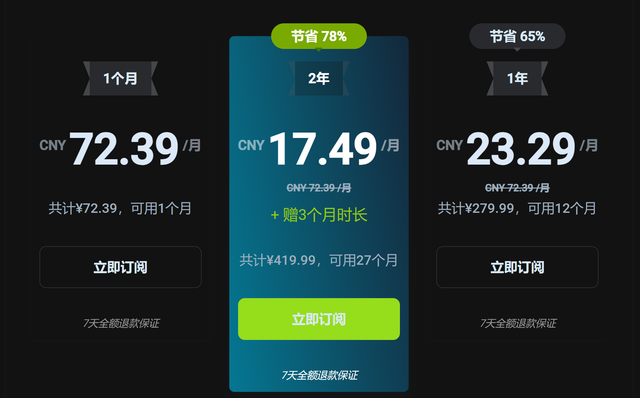
- Check for current promotions or bundling offers. Longer plans can dramatically reduce monthly costs, and sometimes Platinum becomes the best value when you factor in all bundled extras.
Practical tips to maximise Letsvpn value
- Use the 30-day money-back guarantee as a test run if you’re unsure about a plan.
- Combine Letsvpn with a privacy-first browser and regular software updates for a layered security approach.
- Enable auto-connect on trusted networks for quick protection when you’re on the go.
- If you travel internationally, keep a couple of server locations pre-selected for smooth access to your home services.
Advanced tips: tweaking for better performance
- Choose UDP when available for faster speeds (OpenVPN UDP or WireGuard, depending on the client).
- Turn on split tunnelling if you only want the VPN for certain apps or services, leaving general browsing to your normal connection for speed.
- Use the closest server that still meets your streaming or gaming needs to reduce latency.
Common misconceptions about Letsvpn plans
- Higher price always means better performance. Not always — it depends on your usage pattern, server load, and how well the service’s infrastructure handles traffic in your area.
- More features equal better privacy. Not necessarily—essential protections on all plans matter most; extras are nice but not strictly necessary for everyone.
- One plan fits all. Every user is different; your plan should match how many devices you have, what you need to access, and your budget.
What to look for in a Letsvpn plan
- Clear device limits and good platform support
- Strong privacy protections (kill switch, DNS leak protection)
- Server network size and regional availability
- Speed consistency and low latency
- Optional extras that fit your needs (dedicated IP, multihop, malware protection)
Pros and cons by plan (quick recap)
- Platinum
- Pros: maximum device support, best feature set, potential dedicated IP, top-tier security options
- Cons: highest price
- Premium
- Pros: strong feature set at a balanced price, good for most users, solid streaming access
- Cons: fewer perks than Platinum
- Standard
- Pros: lowest price, simple setup, essential protections
- Cons: fewer features and device slots, less ideal for heavy users
The bottom line: should you choose platinum, premium, or standard?
- Choose Platinum if you need many devices, extra security features, and a dedicated IP. It’s the best value for large households or power users who rely on VPN for work, streaming, and privacy.
- Choose Premium if you want a strong balance of features and cost. It suits most private users who want robust performance without paying for every upgrade.
- Choose Standard if you’re price-conscious or new to VPNs. It covers the basics well and is a good stepping stone to higher plans later.
Frequently asked topics around Letsvpn plans
- Is Letsvpn Platinum worth it for a single user? In most cases, no; consider Premium or Standard unless you need multiple devices and extra security layers.
- Can I downgrade anytime? Most providers allow downgrades with proration depending on billing cycles—check Letsvpn terms.
- Do Letsvpn plans include ad blocking? Some versions bundle ad-blocking; confirm current features for your region.
- Is there a free trial? Letsvpn often offers trials or a money-back guarantee; use it to test features.
- How many devices can I connect at once? It depends on the plan; Standard usually fewer devices, Platinum most.
- Do Letsvpn plans work on routers? Many VPNs support router installation, enabling VPN coverage for all connected devices.
- Can I get a dedicated IP? Usually available with Platinum or as an add-on on Premium.
- Is multisession allowed? Most plans support multiple sessions, but limits vary by plan.
- Will streaming services work with Letsvpn? In most regions, yes, but some services actively block VPNs; test with your account.
- How do promotions affect price? Promotions can significantly reduce monthly costs, especially with longer commitments.
FAQ Section
Frequently Asked Questions
What is the main difference between Letsvpn platinum, premium, and standard?
The main differences are device limits, feature sets, and price. Platinum offers the most devices and extras like a dedicated IP and advanced security tools; Premium balances features and cost; Standard provides essential protections at the lowest price.
How many devices can I connect with each plan?
- Platinum: up to 8–10 devices
- Premium: about 5–7 devices
- Standard: 3–5 devices
Do all plans include a kill switch?
Yes, all Letsvpn plans include a kill switch.
Is a dedicated IP available on Standard?
Usually not; dedicated IP is typically a Platinum or Premium add-on.
Can I use Letsvpn on a router?
Yes, most Letsvpn plans support router installations, extending protection to all connected devices. The Truth About VPNs Selling Your Data in 2026 What Reddit Knows: Truth, Tactics, and How to Protect Yourself
Does Letsvpn offer split tunnelling?
Yes, but it’s usually available on Premium and Platinum; Standard may not include it.
Will Letsvpn work for streaming services like Netflix?
Streaming access is generally reliable on Premium and Platinum, though occasional blocks can occur depending on the service and location.
What payment options are available?
Common options include credit/debit cards, PayPal, and sometimes regional payment methods. Check the current checkout page.
Is there a money-back guarantee?
Most plans include a trial or 30-day money-back guarantee; verify current terms before purchasing.
How do promotions affect pricing?
Promotions can lower monthly costs significantly, especially for longer-term plans. What is My Private IP Address When Using NordVPN? A Practical Guide to Private IPs, VPNs, and Online Privacy
Can I switch plans later?
Yes, you can upgrade or downgrade your Letsvpn plan, typically with prorated adjustments based on your billing cycle.
If you’re deciding right now, envision how many devices you’ll protect, whether you need a dedicated IP, and how much you’re willing to spend each month. Platinum shines for larger households or power users; Premium is the versatile, all-rounder option; Standard is the budget-friendly start. For many readers, Premium offers the best blend of features and value, with Platinum reserved for truly device-heavy setups or those who want every security option on lock.
Remember, the best plan is the one that fits your use case and budget. If you’d like, tell me about your typical device count, streaming needs, and whether you travel often, and I’ll tailor a plan recommendation for you.
Sources:
Nordvpn月額払いのすべて:料金・始め方・年間プラン
Does Mullvad VPN Work on Firestick Your Step by Step Installation Guide Mastering nordvpn wireguard config files on windows your ultimate guide
Raidio: VPN 使用全指南,提升上网隐私与自由访问效率
Android auto wont connect with proton vpn heres how to fix it
Is Using a VPN Legal in Egypt Understanding the Rules and Risks in 2026