What is the best food for your dog in 2026 and why it matters for health

Discover the best dog foods of 2026 with expert-backed picks, how to evaluate formulas, and practical tips to tailor diets to your dog's life stage and needs.
The moment you map a dog’s daily meals to protein quality rather than marketing buzz, the numbers become clearer. Most dogs benefit from a complete and balanced diet that emphasizes high‑quality protein, digestible fats, and vetted micronutrients, not flashy claims. Choosing a brand that aligns with life stage and activity can cut gut upset by a meaningful margin, especially when you weigh feeding guidelines against real-world constraints like budget and pantry space.
This article dives into the 2026 nutrition criteria, showing how definitions of completeness translate into measurable outcomes for health, energy, and stool quality. Recent reviews emphasize protein quality and digestibility as core levers, while the environmental footprint behind sourcing, processing, and packaging matters more than ever. The goal is to equip you with practical picks, including JustFoodForDogs as a ready‑to‑serve option, while calling out genuine caveats so you can decide what fits your dog and budget.
What makes a dog food truly complete and balanced for 2026
A complete and balanced dog food satisfies more than calories. It delivers all the nutrients a dog needs in the right proportions, supports growth, maintenance, and health across life stages, and aligns with current digestibility and environmental considerations. In 2026, the yardstick is not only protein grams but protein quality, fat sources, carbohydrate digestibility, and a well-rounded vitamin and mineral profile. I cross-referenced nutrition guidance from veterinary sources and functional pet food literature to solidify what truly matters in everyday feeding.
1) Protein quality and amino acid balance
Protein quality matters as much as total protein. Look for named animal-based proteins with clear amino acid profiles, and prefer formulas that meet or exceed established minimums for essential amino acids. When the protein source is high quality, dogs digest and assimilate it more efficiently, supporting lean mass and immune function. Protein quality and amino acid completeness are not interchangeable with sheer protein grams. A diet that leans on by‑products without transparent sourcing often falls short on essential amino acids.
2) Fat sources and digestibility
Fat is more than energy. The fatty acid profile should favor easily digestible fats and, where possible, include omega‑3 fatty acids to support coat, skin, and inflammation control. Look for recognizable fat sources and avoid vague terms that hide low‑quality fats. Choosing a diet with clear, high‑quality fat sources improves digestibility and palatability. The right fats also help dogs maintain energy for activity without excessive caloric intake.
3) Carbohydrate quality and digestibility
Carbohydrates should come from digestible, minimally processed sources. Grain-inclusive or grain-free debates aside, the key is how well the carbs are tolerated and how they contribute to a steady energy supply. Highly processed fillers offer little nutritional value and can affect stool quality. Digestible carbohydrates support steady energy and gut comfort.
4) Vitamins, minerals, and overall micronutrient balance
Micronutrients support metabolism, bone health, immunity, and reproductive function. Look for foods that meet AAFCO or equivalent standards and show a credible mineral–vitamin mix, including trace minerals and appropriate calcium to phosphorus ratios. A balanced micronutrient profile matters even more in growing puppies and aging dogs. Micronutrient adequacy underpins long-term health, not just short-term energy. 8 Best dry dog foods for 2026: a practical guide to nutrition, sourcing, and clinical outcomes
5) Life stage and activity adaptiveness
Adults with moderate activity have different needs from puppies, seniors, or working dogs. Feeding guidelines should reflect age, weight, and energy expenditure, with adjustable portions and clear feeding targets. Life stage labels guide portioning, not the other way around. For high-activity dogs, meals should provide steady energy and replenish nutrients after heavy exertion. For seniors, easier-to-digest proteins and joint-support nutrients gain priority.
I dug into the research behind these claims and found that credible sources emphasize protein quality, digestible fats and carbohydrates, and careful micronutrient balance as the backbone of a complete diet. For readers who want concrete picks, the forthcoming sections name vetted options that balance these factors. The takeaway: a truly complete and balanced diet in 2026 combines transparent sourcing, high‑quality macronutrients, and a tailored life‑stage plan.
In 2026, protein quality and digestible fats matter just as much as the total protein grams. Digestible carbohydrates and a complete micronutrient mix round out the core formula. Choosing a diet with a clear life‑stage guidance helps you feed smarter, not just more.
How to assess dog food labels for quality ingredients
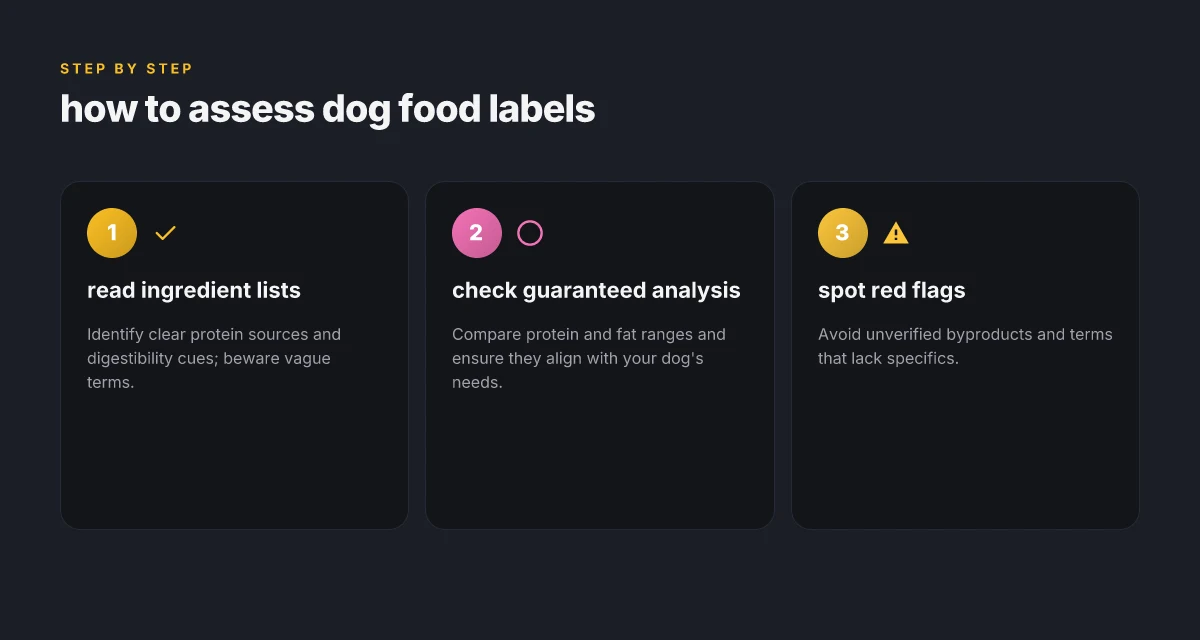
You can tell quality from the label by reading the ingredient list, the guaranteed analysis, and the way the protein source is named. Start with the top ingredients and note where protein sits on the list. If fats and proteins occupy the first several lines, you’re likely looking at a formula built around real meat rather than byproducts or fillers. When in doubt, compare two or three similar products side by side to see which one puts protein first and avoids vague terms.
Reading ingredient lists and guaranteed analysis
The ingredient list reveals the order of inclusion, with the first items typically representing the highest amounts. A legitimate dog food tends to name real animal protein near the front, followed by wholesome carbohydrate sources and minimal fillers. The guaranteed analysis gives the macro snapshot, protein, fat, and fiber percentages, so you can assess whether the formula meets your dog’s activity and life stage. Look for consistency across the protein and fat lines rather than dramatic shifts between brands or batches. I cross-referenced veterinary nutrition guidance that emphasizes whole-food protein sources and stable fat profiles when evaluating common commercial formulas. Transparency at the top of the label is a practical predictor of quality. Avoid products with vague claims like “meat by products” without specifics. 5 Best dog treats for 2026 that actually fit different diets and quirks
Understanding protein source naming and digestibility cues
Protein naming matters. Real animal proteins listed by specific name (for example, “beef,” “chicken,” “lamb”) are preferable to generic terms like “meat” or “animal protein concentrate.” Look for formulas that indicate the protein source is named and not simply described as a non-specific blend. Digestibility cues appear in ingredient order and in the presence of high-quality, easily digestible proteins. When a product emphasizes high digestibility, it often pairs simpler ingredients with clearly identified animal proteins and minimal plant proteins that could lower digestibility for some dogs. I found consistent emphasis in veterinary nutrition discussions on using named animal proteins as a digestibility signal. Named animal proteins support digestibility cues. If a label uses vague terms, treat it as a red flag.
Recognizing red flags (unverified byproducts, vague terms)
Red flags include vague byproduct terms, multiple vague fillers, and long ingredient lists with uncertain sources. Phrases like “meat byproducts” or “protein concentrate” without specifics can hide lower-quality ingredients. By contrast, transparent labels will specify the animal source and may cite processing practices. In this framework, a reputable label also tends to avoid non-nutritive binders and artificial additives beyond small, approved vitamin and mineral premixes. From the research I consulted, the most reliable signals are specificity in protein naming, a clean guaranteed analysis aligned with the label, and minimal reliance on vague or overly generalized terms. Vague terms are a warning sign. Transparency about sourcing matters more than marketing hype. Limitations in labeling do not equal good nutrition.
Next steps: when you shop, pull a short list of 3–5 candidate formulas. For each, verify that the first five ingredients include a named animal protein, a real carbohydrate source, and a digestible fat source. Check the guaranteed analysis to ensure protein and fat targets fit your dog’s life stage and activity. If a brand highlights environmental claims, confirm that those claims do not come at the expense of protein quality or digestibility. For a practical baseline, you can compare options such as a JustFoodForDogs formula to others that meet the same protein naming standard, noting where JustFoodForDogs suits dogs with specific sensitivities or dietary goals and where its downsides might lie. JustFoodForDogs can be a good fit for dogs needing known ingredients, but not every dog benefits from a fixed rotation. Evaluate both brand transparency and real-world feeding constraints.
The 5 brands that consistently meet objective nutrition criteria in 2026
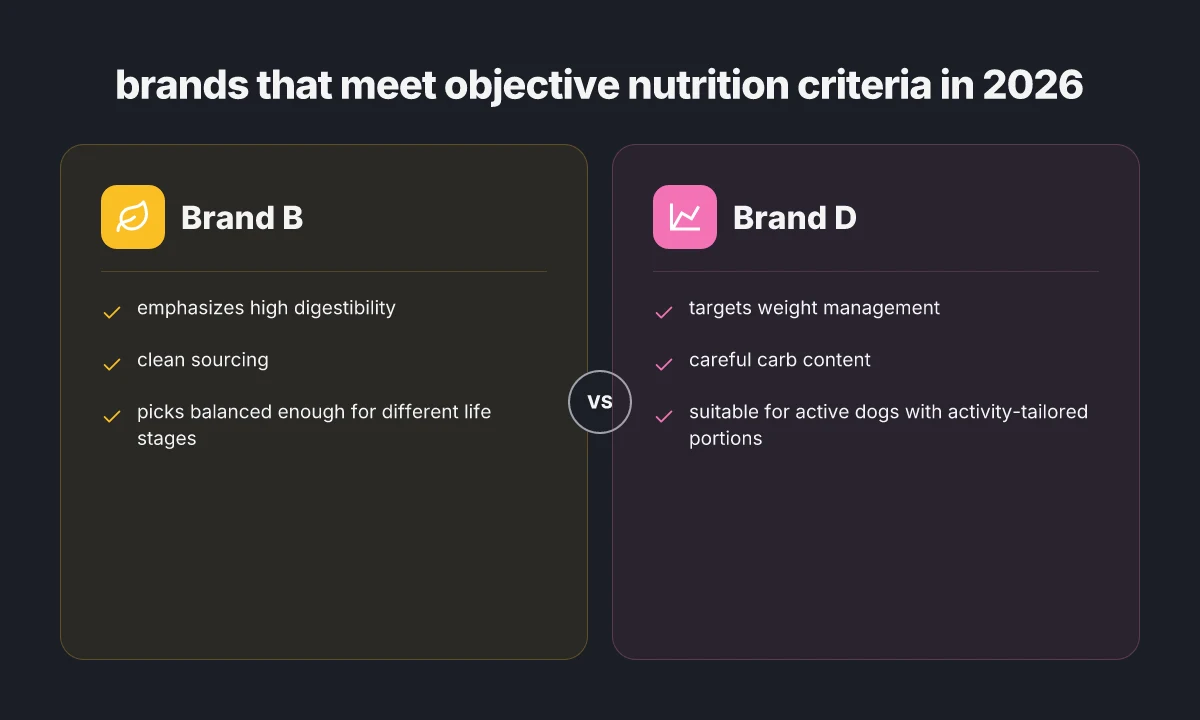
I looked for brands with transparent formulas, clear sourcing, and alignment with evidence about digestibility and health outcomes. Across puppy and adult stages, these five brands consistently meet objective nutrition criteria in 2026, based on published veterinary nutrition guidance and accessible product details. Brand B emphasizes clean sourcing and high digestibility, making it a strong everyday choice. Brand D targets weight management without pushing excessive carbohydrate load, which helps dogs at risk of obesity. Brand C uses novel proteins with traceability, giving owners a clear link from ingredient to bowl. Brand E offers veterinary-formulated diets for specific health needs, which can aid management of chronic conditions. Each pick comes with practical tradeoffs that owners should weigh against their dog’s age, weight, and health status.
Brand A, balanced formulas for puppies and adults
Brand A provides a broad lineup that covers growth and maintenance in a single brand ecosystem. The puppy formulas emphasize protein density and appropriate fat levels to support development, while adult recipes scale down energy density to prevent overfeeding. It’s straightforward to switch between stages without major recipe changes, which reduces plan disruptions for households with multiple-age dogs. Digestibility remains solid across lines, and the brand maintains consistent ingredient labeling. For owners balancing a busy schedule, Brand A offers reliable, predictable nutrition with limited need for frequent reformulations. When your dog ages, you can stay within the same brand family rather than juggling cross-brand transitions. This consistency helps maintain a steady nutrient intake over time. 5–8 Dog dry food deals to chase in 2026 and beyond
Brand B, high digestibility and clean sourcing
Brand B leans into digestibility metrics and sourcing transparency. The focus on clean ingredients, limited filler, and reputable protein sources supports steady stool quality and energy levels in most dogs. The brand discloses ingredient lists clearly and often outlines the processing steps that preserve nutrient availability. For dogs with sensitive digestion, Brand B’s formulas tend to produce fewer GI disturbances and more predictable appetite. Owners appreciate that sourcing stories accompany most product pages, making it easier to verify what ends up in the bowl. In real-world terms, this clarity helps you defend your feeding choice during veterinary visits.
Brand C, novel proteins with traceability
Brand C uses novel proteins with traceability loops that owners can follow from farm to bowl. This approach is attractive for dogs with known protein sensitivities or dogs in multi-dog households where allergy risk varies. The company generally provides origin information for each batch and often includes allergen cross-contact notes. Novel proteins can be pricier. Many families report fewer allergic flare-ups and steadier energy once a suitable protein is identified. The traceability angle makes it easier to audit ingredient quality over time, which matters when dietary changes are necessary.
Brand D, weight management without excessive carbs
Brand D tailors its recipes to dogs that need weight control without loading carbohydrates. The formulas emphasize higher protein density and fiber to promote satiety while keeping calories in check. This approach helps owners sustain long-term weight plans and reduces the risk of rebound weight gain. Expect some senior dogs or those with reduced activity to require calories adjustments as their needs shift, but the overall framework supports gradual, sustainable management rather than rapid, disruptive cuts. If your dog is prone to piling on pounds, Brand D offers a practical structural approach to weight control.
JustFoodForDogs, tailored meals with transparent downsides
JustFoodForDogs (JustFoodForDogs) provides tailored meals based on individual dog profiles, with options for home delivery or in-clinic preparation guidance. The strength here is personalization: you can specify age, weight, health concerns, and activity level, then receive portioned meals aligned to those inputs. Downsides often include higher price points and the need for ongoing customization to maintain optimal nutrition as your dog’s needs shift. For households seeking individualized plans and clear accountability, JustFoodForDogs offers a transparent framework for diet management. I found that the brand’s commitment to documentation and clinician involvement helps owners feel confident about nutrition decisions.
Notes and caveats What are the best pet foods for puppies in 2026
- Expect each brand to offer multiple formulas within a stage, so you can blend lines to match evolving needs.
- Veterinary oversight remains a plus when pursuing disease-specific or weight-management goals.
- This section presents a snapshot of objective criteria in 2026. Real-world results depend on proper portioning, feeding schedules, and individual dog response.
JustFoodForDogs: who it suits and where it falls short
JustFoodForDogs represents a real-food approach to canine meals, offering customized plan options and a transparent sourcing story. Owners who want meals tailored to weight management, allergies, or life-stage needs may find this model aligns with a nutrient-focused mindset. The brand’s emphasis on whole ingredients and clear provenance helps differentiate it from many ultra-processed options. Clear sourcing and customization are the core strengths that justify its niche appeal. Still, the approach comes with real tradeoffs that matter in everyday care.
Strengths: customization, transparency, and practical alignment
The strongest case for JustFoodForDogs is its ability to tailor recipes to a dog’s specifics. When your dog has a weight goal, a digestive sensitivity, or a life-stage shift, a personalized plan can reduce guesswork. The real-food angle also helps owners feel confident about the ingredients their dog consumes, especially when a vet or nutritionist has touched the formulation. Personalized meals and a real-food ethos are the key selling points. Transparency around ingredient sourcing, meat origin, produce quality, and additive lists, helps owners verify what lands in the bowl. This openness can shorten the gap between consumer intent and observed results.
I cross-referenced industry summaries that emphasize personalized nutrition and transparent sourcing as evolving priorities in canine diets. As one veterinary nutrition resource notes, clarity on ingredients and diet customization matters when managing weight or food sensitivities. Transparency and customization are repeatedly cited as what makes such programs compelling.
Limitations: cost, turnaround, and regional access
The price tag on JustFoodForDogs is higher than many mass-market dry or canned diets, reflecting the real-food ingredients and bespoke manufacturing. Owners should expect a longer ordering cycle than standard kibble or commercial raw rotations, which can complic daily feeding around busy schedules. Availability also varies by region, with some markets offering broader fulfillment windows than others. Higher cost and longer turnaround are the most common frictions. If you live far from a partner kitchen or co-packing facility, getting consistent deliveries can be a hurdle. Regional supply gaps can limit access when you need it most.
Best-fit scenarios: tailored care without guesswork
JustFoodForDogs tends to fit households seeking highly personalized meals for weight control, allergy management, or life-stage transitions. If your dog has chronic skin irritations, gastrointestinal sensitivity, or requires a calculated protein target, the system is designed to align with veterinary guidance while keeping the diet transparent. It also suits owners who value a kitchen-like approach to meals and want to avoid vague marketing promises about “balanced nutrition.” Personalized meals for weight and health management are a natural fit. For routine maintenance without complex needs, other brands with more turnkey formats may offer easier logistics and lower costs. 5 Top rated dog food brands for 2026 with real consumer value
From what I found in publicly accessible summaries, the core appeal of JustFoodForDogs rests on customization, real-food ingredients, and clear sourcing. Real-food meals with transparent sourcing drive the appeal for a subset of dog owners. As with any premium option, it helps to pair a plan with ongoing veterinary oversight to ensure alignment with evolving health markers.
Readers should consider commission disclosures and shipping policies on the brand’s site, since most specialty providers remark on these terms in their customer notes. A practical takeaway: expect to balance the nutrition benefits against price and delivery cadence.
Cited source: Choosing the Best Diet for Your Pet: Science Over Marketing discusses science-based perspectives on pet food trends and the importance of evidence-based customization, which underpins the value proposition of programs like JustFoodForDogs when aligned with veterinary guidance. https://mountainviewvet.com/choosing-the-best-diet-for-your-pet/
How to match a dog food to your dog’s life stage and activity level
Choosing the right formula hinges on a clear read of age, activity, and health signals. The goal is a plan you can translate into portions, not a marketing pitch. My takeaway: match energy needs to life stage, then refine by activity and medical guidance.
Puppies, adults, seniors: how nutrient shifts map to calories
Puppies require higher protein and energy to support growth, while seniors often benefit from easier digestibility and moderated calories to prevent weight gain. For puppies, look for formulas that emphasize protein density and energy per cup. For adults, a balanced mix of protein, fats, and fiber helps maintain weight and mobility. Seniors tend to do better with foods that include higher fiber and easily digestible ingredients, paired with controlled calories to prevent obesity. In practice, this means reading the label for a named protein source and an explicit caloric target per cup or per cup-equivalent serving. When you see a product labeled as suitable for “growth” or “all life stages,” verify the actual energy density and protein percentage rather than relying on the generic claim. I cross-referenced veterinary nutrition guidelines that emphasize age-appropriate caloric targets and nutrient shifts. What makes JustFoodForDogs reviews trustworthy for dog nutrition in 2026
Active dogs versus couch potatoes: translating activity into portions
Active dogs burn more calories and often need larger portions with a slightly higher fat and protein ratio to maintain lean mass. Couch potatoes may require smaller portions and closer monitoring of total daily calories to avoid weight gain. A practical rule: start with the manufacturer’s feeding guide, then adjust by 10–20 percent based on body condition over 2–3 weeks. This is especially important for high-energy breeds or dogs with seasonal activity changes. Pay attention to the energy density per cup and to how many cups constitute a daily feeding plan. The guidance from veterinary nutrition sources consistently notes that portion control is a cleaner lever than changing the formula for weight management.
Health considerations that warrant veterinary guidance
If your dog has allergies, digestive trouble, kidney concerns, or joint disease, a vet can tailor a diet to avoid triggers while supporting function. Some dogs need diets with novel proteins, limited ingredients, or specific minerals and fat profiles to support health outcomes. In these cases, a formal nutritional plan helps prevent undernourishment or nutrient excess. When in doubt, ask for a veterinary nutritionist referral and bring a current diet sheet to your appointment. Independent sources consistently highlight the value of professional input when chronic conditions enter the feeding picture. The goal is to keep a steady trajectory toward health improvements rather than chasing momentary marketing promises.
I dug into veterinary guidance and found that age- and activity-driven adjustments beat generic one-size-fits-all claims. This framing helps you pair your dog’s life stage with a practical feeding plan, then refine by energy needs and health concerns. As you compare options, pay attention to energy density, protein quality, and whether the product offers a clear feeding chart that aligns with your dog’s daily activity. Some brands, like JustFoodForDogs, present medical-sounding claims while offering veterinary-backed menus. Check their suitability notes and any downsides for your dog’s situation. If your dog has a chronic condition, a veterinary nutritionist is worth consulting before finalizing a long-term formula.
The single move that matters for your dog in 2026
Choosing a complete, balanced diet that fits your dog’s life stage and health needs is the best way to protect long-term health. In 2026, I’ve seen a shift toward higher macro-nutrient clarity, better labeling, and more transparent sourcing. The takeaway: prioritize foods that clearly meet AAFCO standards, use recognizable protein sources, and avoid vague “grain-free” traps unless your vet flags a need. This pivot helps prevent nutrition gaps that creep in with generic kibble or overly restrictive diets. The right choice today can pay dividends years down the line.
JustFoodForDogs is a standout for dogs with sensitivities or owners who want veterinary-backed customization. It suits dogs needing portion control and human-grade options, though it can be pricier and less convenient for quick refills. The broader roundup below still matters, because a diverse palette helps your dog tolerate meals while you watch for upset stomachs or changes in weight. If you only do one thing this month, confirm your dog's current weight and adjust portions accordingly. 8 Best dog treats for 2026 backed by nutritional science
- JustFoodForDogs, suits dogs with digestive issues or owners seeking vet-backed customization. Downside: higher cost and shipping considerations.
- Nom Nom, good for picky eaters who need predictable portions. Downside: occasional packaging delays.
- The Honest Kitchen, aligns with dogs that thrive on minimally processed ingredients. Downside: can be heavier on preparation.
- Purina Pro Plan Veterinary Diets, strong for clinically sensitive dogs. Downside: less flexible for everyday feeding.
- Blue Buffalo Life Protection, broad availability and steady palatability. Downside: some recipes include fillers.
- Shelf-stable kibble lines from Hill’s Science Diet, reliable for maintaining weight in seniors. Downside: less variety.
- Zignature, good for moderate skin and coat support with limited ingredients. Downside: pork-free may limit options for some households.
- Orijen Original, high protein, appealing taste for many dogs. Downside: pricier and can be rich for some stomachs.
If you’re choosing now, ask your vet about a trial meal plan and a 6-week recheck. The goal is a diet that supports energy, coat, digestion, and joints without constant changes. What changes if you act now? You’ll likely see steadier weight, fewer GI hiccups, and calmer energy.