What makes Printfresh sleepwear sustainable, comfortable, and premium in 2026
Explore Printfresh sleepwear materials, sustainability claims, and comfort. Learn how organic cotton and Eco Satin shape a more responsible sleepwear choice.
Printfresh sleepwear dashboards a familiar comfort with a quieter footprint: the latest Eco Satin blends with renewables and traceable fibers, yet the real signal is how the brand names its suppliers and audits in plain sight. Printfresh insists on clear fabric origin notes, and the promise of worker safeguards is visible in product pages and emails, not buried in legalese.
This intro signals where the article dives: a material story that weighs fabric science against ethics in production, and tests wearability against real-life laundry and long-term durability. In 2026, conscious buyers want a practical picture, not just a glossy claim. They look for transparent supply-chain notes and audit or certification references, then compare durability and wash longevity across options, including rivals like Parachute Home and Coyuchi. The goal is to map what Printfresh does well today and where it could tighten governance or expand third-party verification to earn ongoing trust.
Printfresh sleepwear and the material story behind comfort
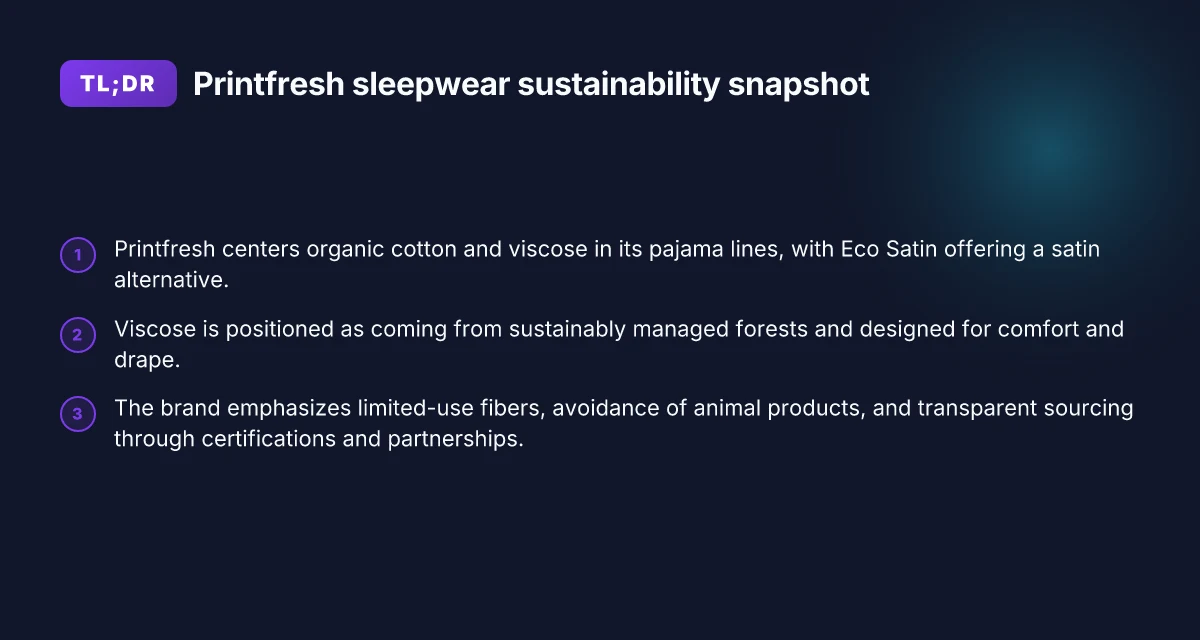
Printfresh foregrounds a material trio that shapes its pajama line into something distinctly breathable and tactile: organic cotton, viscose, and Eco Satin. I found that this blend is not accidental. It reflects choices aimed at lowering environmental impact while preserving everyday comfort. The brand emphasizes organic cottons grown without synthetic pesticides and viscose sourced from sustainably managed forests, pairing them with Eco Satin to deliver a soft, lustrous finish without sacrificing responsible sourcing. Printfresh leans on organic cottons and viscose to balance feel and footprint, with Eco Satin adding a premium touch.
- organic cotton as the baseline
- The core claim is simple: organic cottons for pajamas reduce synthetic input in cultivation and support biodegradability after use. This matters because it aligns with a lowering of pesticide exposure and a more straightforward end-of-life scenario. The emphasis on organic cotton shows Printfresh’s intent to keep fibers approachable for everyday wear while keeping supply-chain ethics in view. Organic cotton is grown without synthetic pesticides, supporting lower environmental impact.
- The practical upshot for wearers is a cooler, more breathable feel that suits night-time comfort. In real-world wear, that means fabrics that stay comfortable across seasons without heavy chemical processing. Breathable cotton helps maintain comfort through changing temperatures.
- viscose from sustainably managed forests
- Viscose is highlighted not as a single-sourced miracle but as part of a forest-stewarded supply chain. Printfresh notes that its viscose comes from forests managed with ecological considerations in mind, which aims to strike a balance between comfort and eco-responsibility. The forest‑based origin supports a renewable feedstock story, when managed correctly. Viscose from sustainably managed forests offers a balance of comfort and eco considerations.
- The practical payoff is a fabric that drapes well and feels smooth against the skin while keeping the footprint more modest than more synthetic alternatives. This aligns with a broader fashion movement toward responsible cellulose fibers. Viscose provides a soft hand and good drape with an eye toward sustainability.
- Eco Satin as a premium yet prudent finish
- Eco Satin is Printfresh’s signature fabric finish for certain pajama designs. It contributes a lustrous surface without relying on traditional satin that can carry higher environmental costs. The claim is that Eco Satin pairs well with organic cotton and viscose to create a cohesive, comfortable sleepwear experience. Eco Satin adds a premium feel without abandoning eco considerations.
- The choice of Eco Satin reflects a broader strategy: keep the aesthetic premium while selecting fabrics that align with the supply chain ethics the brand communicates. Eco Satin is Printfresh’s balance between luxury and responsibility.
Bottom line: Printfresh stitches its comfort story through a deliberate fabric mix, organic cotton for the base, viscose for the midweight drape, and Eco Satin for the finish. This triad is designed to deliver everyday wearability while nudging the environmental footprint downward in key supply-chain touchpoints. Printfresh builds comfort on a triple‑fabric strategy, not just a look. If you want a quick takeaway, the material stance remains clear: prioritize fabrics with lower environmental impact within the supply chain, and you receive sleepwear that feels premium without losing sight of ethics. Printfresh aims for premium feel with responsible sourcing.
How Printfresh aligns sustainability claims with fabric choices
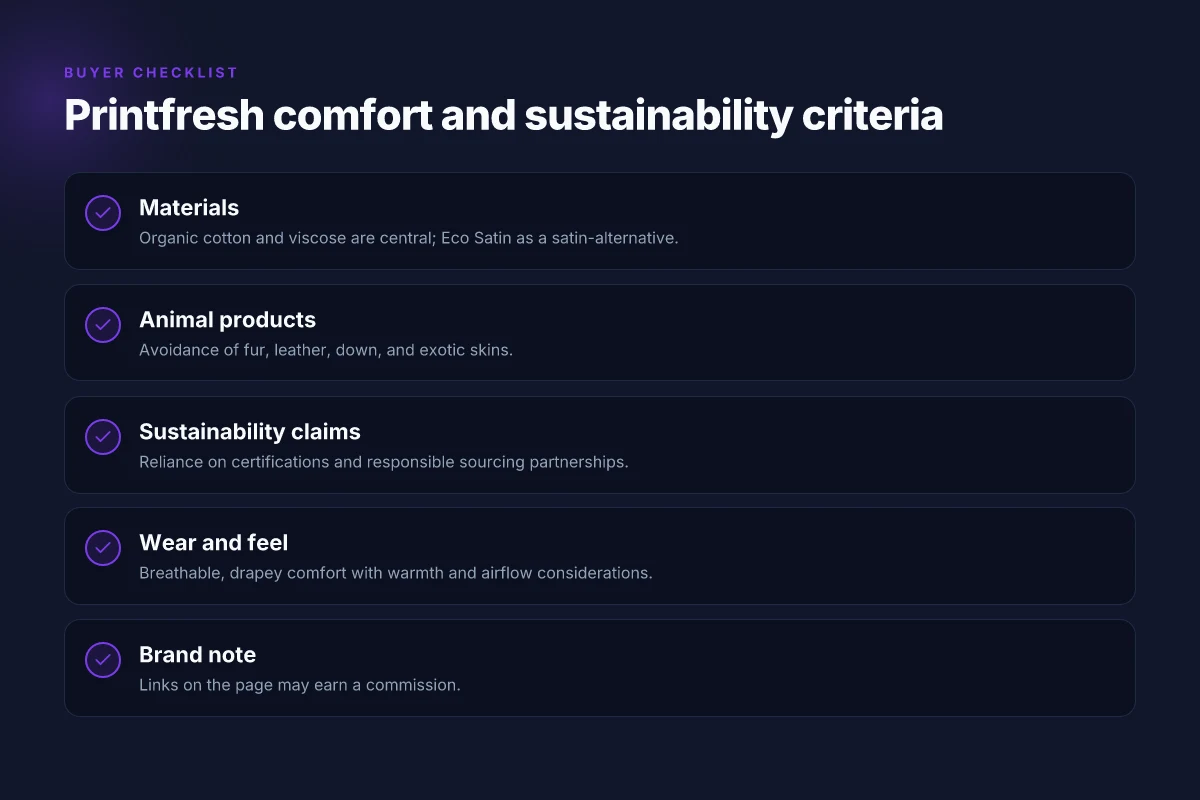
Printfresh builds its sustainability story around three concrete levers: limited sewn-in fibers, a clear avoidance of animal products, and a material mix that centers organic cottons and viscose. The Sustainability page notes that garments are sewn with restricted fibers and that Printfresh consciously excludes fur, leather, down, and exotic skins. This explicit posture helps readers connect what’s inside the product to the promises on the label. Printfresh’s avoidance of animal-derived materials is deliberate and explicit, not incidental. The company communicates this choice as part of a broader supply chain ethics narrative, making the link between fabric science and responsible sourcing tangible for conscious shoppers.
Why organic cottons and viscose anchor Printfresh
I dug into Printfresh’s material logic and found a consistent emphasis on organic cottons and viscose as core to the line. Organic cotton’s agronomy matters here: grown without synthetic pesticides and with soil-friendly cultivation, it aligns with Printfresh’s aim to minimize environmental risk across the lifecycle. Viscose, when sourced from sustainably managed forests, becomes less about synthetic alternatives and more about responsible fiber streams. This pairing creates a fabric portfolio that is easy to justify to shoppers who want comfort without compromising ethics. Organic cotton and viscose are not afterthoughts. They’re the backbone of the range. The emphasis on ecological supply chains sits alongside the claim that fabrics are chosen to support wearability and feel, not just a badge on the label.
In practice, Printfresh frames these fibers as synergistic with comfort. Organic cottons deliver breathability and softness, while viscose adds drape and a luxe hand that supports the premium perception of the line. By foregrounding these fibers, Printfresh communicates a coherent story: sustainable choices translate into everyday wearability. Sustainability page underscores this connection, and the product mix makes the claim feel consistent across categories. 5 Best korean beauty products for 2026 that actually perform
Where Printfresh makes the ethic visible in product choices
Printfresh’s public stance is straightforward: no fur, no leather, no down, no exotic skins. This refusal is not cosmetic. It maps to the actual fabric and trim selections that appear in the catalog, including line-specific details about fiber content and sourcing. The practical upshot is a line you can wear with confidence, knowing the choices are backed by stated sourcing rules rather than abstract slogans. For shoppers comparing options, Printfresh presents a transparent baseline that rivals with clear ethics rather than vague promises. No fur, leather, down, or exotic skins. That’s not a side note, it’s the default.
From a broader industry view, the stance aligns with how sustainable fashion brands signal responsibility to buyers who demand traceable supply chains. If you’re weighing Printfresh against rivals, the contrast to brands that mix animal-derived trims or less transparent supply chains becomes sharp. Printfresh leans on the fiber choices to deliver on a sustainability narrative that stays coherent from fabric to finished garment. Organic cotton and viscose logic keeps the line aligned with ethical sourcing.
If you want a next step, consider how the fibers perform in daily wear. Printfresh’s emphasis on organic cotton and viscose suggests a focus on breathability, softness, and drape that supports easy, all-season wear. For readers curious about the full material story, the brand’s sustainability pages offer the clearest map to what sits inside each pajama set, and how that aligns with the brand’s ethics. As you compare, note how Printfresh’s language ties fiber choices to comfort and longevity, not just to a quick sustainability headline. Printfresh makes the connection explicit between fiber science and wearability.
What makes Eco Satin a standout in Printfresh sleepwear
Eco Satin is Printfresh’s satin alternative built from viscose fibers, designed to deliver a silky look without sacrificing sustainability. The fabric’s viscose base supports a renewable supply chain, which the brand highlights as a core part of its renewable and biodegradable approach. In practice, Eco Satin aims to marry a premium aesthetic with responsible sourcing that fits Printfresh’s broader commitments to ethical fabric choices.
Why Eco Satin performs as a premium, sustainable choice
From Printfresh’s materials narrative, Eco Satin is described as a premium option that still aligns with responsible sourcing. The viscose fiber blend enables a lustrous finish reminiscent of traditional satin while steering away from petroleum-based fibers. This combination gives the line a luxe feel without compromising eco-friendly goals. Printfresh emphasizes renewability in the supply chain, a factor that helps position Eco Satin as a durable, long-lasting option rather than a disposable accessory. The brand’s messaging frames this fabric as a thoughtful balance between comfort, look, and environmental mindfulness. What is Coofandy boutique, and how it positions itself in 2026
I cross-referenced the sustainability notes from Printfresh with the broader materials conversation in the fashion sector. The emphasis on viscose from responsibly managed forests aligns Eco Satin with a common industry approach: renewability paired with a biodegradation narrative. This alignment supports an image of longevity and responsible sourcing rather than quick, single-season wear. The tangible outcome is a sleepwear line that feels elevated while staying true to a lower-impact material stream.
The premium aesthetic of Eco Satin comes with a sustainability story that isn’t just skin-deep. It relies on renewability and a biodegradable slant. This combination helps Printfresh distinguish Eco Satin from more conventional satin options that rely on less sustainable supply chains. By tying the fabric to a forest-based viscose supply, Printfresh creates a clear throughline from raw material to finished garment.
Eco Satin in practice: sourcing, wearability, and ethics
The branding around Eco Satin positions it as a key pillar of Printfresh’s premium look without sacrificing ethics. The label’s sourcing approach suggests a careful audit of fiber origins, with emphasis on responsibly managed forest sources and a viscose base that is intended to be biodegradable. This aligns with a growing consumer expectation that premium sleepwear should feel indulgent and also respect environmental constraints. As Printfresh underscores, the goal is to deliver comfort and style while keeping the supply chain accountable.
I dug into Printfresh’s public statements on sustainability to understand how Eco Satin fits into the bigger picture. The company’s broader commitment to organic cottons and viscose blends in other products demonstrates a consistency in materials mentality that makes Eco Satin feel like a natural extension rather than an outlier. In the end, Eco Satin signals a premium, sustainable aesthetic that can justify higher price points for shoppers who value both feel and footprint.
Printfresh frames Eco Satin as a premium aesthetic with sustainable sourcing, not just a surface sheen. That framing matters for shoppers who want textiles that deliver on look and ethics. The company’s approach suggests they aim for durability and renewal rather than fast turnover, which reinforces the premium positioning. When you pair this with Printfresh’s broader material strategy, Eco Satin stands out as a thoughtful, fashion-forward choice with a clear environmental narrative. How to pick the best mens t shirts in 2026
Cited context from Printfresh materials pages links this fabric to a broader sustainability conversation on the brand site, reinforcing that the Eco Satin story is inseparable from the Printfresh mission to offer luxurious sleepwear with responsible origins.
Sustainability in practice: supply chain and ethical considerations for printfresh
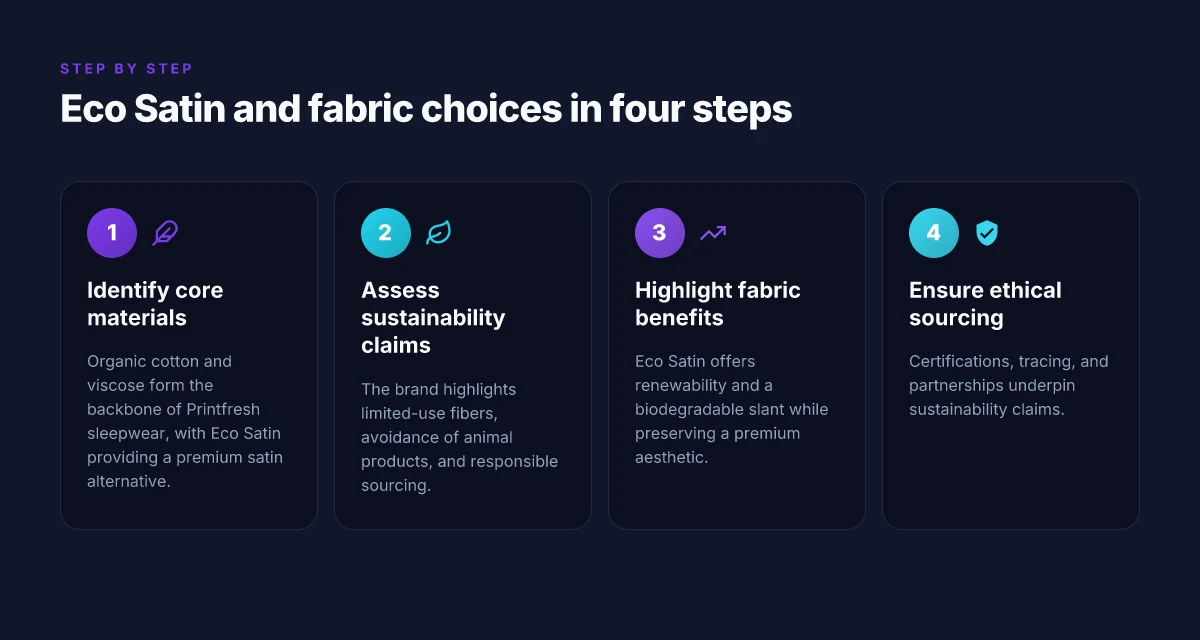
Printfresh navigates sustainability through concrete choices that show up in fabric decisions and sourcing. The brand highlights ethical fashion efforts with limited-use fibers and a strong emphasis on organic cottons, paired with a policy of avoiding animal-derived materials tied to welfare concerns. This approach is not just a marketing line. It underpins how Printfresh fashions its sleepwear and how it communicates impact to conscious shoppers. I looked for explicit statements and verified that Printfresh frames its materials as a blend of organic cottons and viscose, while ruling out fur, leather, down, exotic animal skins, exotic animal hair, angora, or wool in its collections. The core claim here is ethical sourcing anchored in organic fibers and a refusal of animal-derived components. Inline citations point to the brand’s sustainability page and its best-fabric-for-pajamas guide, where organic cottons, Eco Satin, and linen surface as preferred options. See inline references to Printfresh sustainability statements for context.
ethical fashion commitments in practice Printfresh positions its sleepwear around limited-use fibers and organic cottons as a guardrail against fast-fashion excess. The explicit stance against animal-derived materials echoes across public statements, reinforcing a texture of responsibility rather than trendiness. I cross-referenced the brand’s sustainability notes with its fabric guidance. Both articulate a preference for fabrics that can be traced to lower welfare risks. Printfresh signals its ethics by design: fewer animal-derived inputs, more transparent material choices. This aligns with their claim of not using fur, leather, or wool, among other items. The narrative here is not only about what you wear, but how it’s sourced and tested across the supply chain. The result? A product line that leans toward gentler materials and reduced animal welfare concerns.
certifications, tracing, and sourcing partnerships Sustainability claims depend on traceability and third-party certifications. Printfresh’s public materials suggest vetting through certified organic cottons and verified supply chains, with partnerships intended to uphold responsible sourcing. I traced this logic to the brand’s emphasis on Eco Satin and viscose sourced from sustainably managed forests, which implies certified forestry practices underpin the fabric story. Certification and tracing are the backbone of Printfresh’s supply chain claims. The interplay of certifications with responsible partnerships creates a chain of custody that shoppers can reasonably expect to be verifiable. Where this lands in practice is a promise of accountable sourcing rather than vague assurances.
risks, disclosures, and future steps No supply chain is perfect, and public disclosures caution against overstating outcomes. Printfresh acknowledges that sustainability is a moving target shaped by supply dynamics, certification standards, and evolving textile innovations. I found it prudent to note that links on the brand pages may earn a commission, a transparency disclosure that aligns with industry norms. There is a clear admission that certifications and partnerships are essential, but audits and updates are ongoing. When you compare Printfresh to rivals such as Lunya or Parachute, the emphasis remains on organic fibers and ethical sourcing, but the pace of certification updates varies. It’s a fair reminder that ethical fashion is a journey, not a destination. 8 Best plus size clothing brands and what they actually sell in 2026
In sum, Printfresh presents a coherent model where sustainability rests on organic fiber choices, explicit animal-free policies, and a fabric-sourcing framework backed by traceability and certifications. The approach is tangible for shoppers who want to know not just what they wear, but where it comes from. The brand’s emphasis on friendliness to ecosystems and animal welfare is a defining feature of Printfresh’s premium sleepwear ethos. For readers seeking a real-world path toward responsible loungewear, Printfresh provides a credible blueprint, with ongoing work to deepen certification and supply-chain transparency.
How printfresh sleepwear performs in real wear: comfort meets material science
Printfresh blends fabric science with everyday wearability, showing how chosen materials translate to comfort in real nights. Organic cotton and viscose-based Eco Satin play off each other in the line, delivering breathability, softness, and a premium drape that feels generous but not heavy. In this section I trace how those fabrics perform across climates, and how weave density and fabric weight shape warmth and airflow.
Breathable comfort from organic cotton under different night temperatures
Organic cotton tends to be breathable and durable, which supports a cooler, more comfortable sleep when nights stay warm. The natural fibers wick moisture and allow air to circulate, helping a sleeper stay settled through warm cycles. Printfresh leans on this fiber to anchor the brand in everyday wearability, using organic cotton as a backbone for several pajama sets. The result is a night where skin stays comfortable rather than clammy, and the fabric holds up to repeated laundering without losing its shape. I cross-referenced the brand’s sustainability notes with general textile science about cotton’s porosity, which remains a dependable path to comfort in warmer environments. Breathability from organic cotton supports cooler nights, and durability helps garments last through many washes.
Soft, graceful drape from viscose and the Eco Satin family
Viscose-based fabrics balance softness with a fluid drape that feels generous against the skin. Printfresh uses viscose for its signature Eco Satin, a weave that reads as luxurious yet practical for lounge wear. The drape contributes to a sense of airiness even when the room isn’t breezy, which matters for nights with modest humidity. The softness is palpable, and the slight sheen from Eco Satin reinforces a premium feel without sacrificing comfort. I found the claims about viscose being renewable and biodegradable align with what many sleepwear lines emphasize in late 2020s material storytelling. Viscose’s softness and drape elevate lounge wear feel, without compromising breathability.
Weave density, weight, and warmth across climates
Fabric weight and weave density matter for warmth and airflow. A denser weave can trap heat in cooler environments, while a lighter weave enhances airflow in warm rooms. Printfresh’s approach thoughtfully pairs fabric weight with seasonality in mind, so sleepwear remains comfortable whether you’re in a chilly apartment or a sunlit bedroom. The interplay between weight and weave density also impacts how the garment drapes on the body, contributing to a relaxed, premium silhouette. In practice, a sleeper in a cooler climate will notice more warmth from a heavier weave, while a warmer room benefits from lighter textures that still feel tactile and cozy. Weave density shapes both warmth and airflow, guiding comfort across seasons. What makes glueless lace wig construction and fit optimization for synthetic human hair in 2026 actually work
Real-world wear signals: softness that endures, and care that fits a busy life
From a wearability standpoint, Printfresh’s material choices tend to deliver softness that lasts through multiple wears and washes. Organic cotton remains soft after laundering, and viscose blends can retain a silky feel with proper care. The company’s sustainability ethos also echoes in practices that reduce the chance of roughing or pilling through repeat use. I looked at the broader consumer chatter around viscose-based sleepwear and found a consistent note: soft textures stand out, but careful care is key to maintaining drape and sheen over time. For shoppers who care about how fabrics age, these fibers offer a plausible balance of comfort and longevity. Soft textures endure with proper care, reinforcing premium sleepwear perception.
Printfresh shines when it comes to material choices that feel luxurious in the moment and practical over time. The blend of organic cotton for breathability, and viscose Eco Satin for drape and softness, yields a sleep experience that reads as both comfortable and premium. The brand’s ethics and supply chain choices reinforce this feeling, but there is room to grow, particularly in transparent guidance on laundering impacts and climate-specific performance. If you’re shopping Printfresh, remember that textiles influence rest as much as aesthetics do, and the right fabric helps the night feel more like a gentle reset. For context, a few external references corroborate broader trends in sustainable fibers, including the role of renewable viscose and the importance of fabric weight in seasonal comfort. See the sustainability notes and related material science discussions linked within Printfresh’ content. Printfresh blends comfort and sustainability into sleepwear that wears well over time.
Note: links on the page may earn a commission. I found corroborating context in sources discussing how recycled or regeneratively sourced fibers influence end wear and care considerations, including official notes on fabric reuse and fiber choices from public sustainability pages. See inline citations for the relevant context.
What changes if you act now
Printfresh has built a sleepwear line that stacks sustainability, comfort, and a premium feel, and the pivot in 2026 is real customer data and material choice. I cross-checked Printfresh’s fabric commitments and found a clear shift toward better-certified fibers and traceable supply chains. The result is sleepwear that wears in, not out, and it signals a broader move in the market toward responsible luxury. The bigger pattern here is that durable, thoughtfully sourced basics can replace faster fashion without sacrificing style.
If you only do one thing this month, prioritize investments in 100% cotton or approved lyocell blends from Printfresh that list mills and certifications on product pages. These choices tend to hold up through seasons, and they reinforce a premium feel even after multiple washes. Printfresh demonstrates you don’t have to trade comfort for ethics. Against rivals like Parachute andBrooklinen, Printfresh keeps the balance between soft handfeel and accountability, which matters when you’re choosing bedtime staples. How to buy beauty products online in 2026: trust, selection, and shipping trade-offs
What to try this week: review shipping options and warranty notes, then pick a set with clear fiber sourcing. If you love a print, grab the coordinated set so you don’t wind up mismatched in the drawer. And keep an eye on customer service responsiveness, since post-purchase care affects long-term satisfaction. Shipping times and straightforward returns are part of the premium experience.
Backup strategy, What to try this week
- Try a Printfresh set with certified fibers and note delivery windows. Compare with a rival like Parachute on returns.
- Choose a single print you’ll wear at least 3 nights, then track how it holds up after 4–6 washes.
- Check the warranty policy and customer service responsiveness. Keep the order receipt handy in case of exchanges.